


Hotel & Restaurant Legionella Testing Services
Licensed Legionella risk assessment and testing for hotels and restaurants across Dorset, Hampshire and Wiltshire
Get in touch
Get in touch with us today, and we’ll help to find the right solution for you. We aim to respond to all contact submissions within 48 hours.

Why Hospitality's a Water Risk in a Way a Small Office Is Not
Legionella testing for hotels and restaurants is not a box-ticking exercise. A hotel holds more stored water, more outlets and more rarely used rooms than almost any other commercial building of its size. Every shower, spa and infrequently run tap is somewhere Legionella bacteria can multiply. Hospitality is one of the few settings where the people exposed are paying guests and diners.
The scale of the risk is documented. Of 604 confirmed Legionnaires’ disease cases in England and Wales in 2023, 212 were associated with travel abroad, according to the UK Health Security Agency. Accommodation water systems are a recognised route of exposure. That is why UK hotels and restaurants carry a legal duty to assess and control the risk under the Approved Code of Practice L8 and HSG274. The duty sits with a named responsible person, backed by records an inspector can see.
Asbury Heating have carried out commercial Legionella risk assessments and water testing for hotels, restaurants, pubs and bars across the south of England since 1962. That includes the likes of Christchurch Harbour Hotel and Spa and the Royal Motor Yacht Club in Sandbanks. Our work covers the full water system, from cold water storage and calorifiers to the shower heads and outlets where risk concentrates.

Five Star Reviews
We’re rated five star by our customers on Google. Check out the testimonials from some of our incredible customers by clicking the button below.
The Standard Your Legionella Records Have to Meet
Legionella control is judged on evidence. If a case is investigated or an inspector asks to see your water safety records, what matters is whether the assessment was carried out properly, kept current and acted on. We work to that standard, and we hand you the paperwork to prove it.
Here is what we bring to a hospitality water safety contract:
- We are licensed for commercial Legionella assessment and testing.
- We hold SafeContractor accreditation, verified by independent audit.
- We assess to the ACOP L8 and HSG274 standards.
- We use a specialist laboratory for sample analysis, with results in writing.
- One point of contact covers every site in your group.

Hotels, Restaurants, and the Venues in Between
One Assessment Standard Across Every Site You Run
A single restaurant and a multi-site hotel group face the same bacteria but a very different management job. One needs a clear risk assessment and a schedule it can follow. The other needs consistent records across properties built in different decades, plumbed by different hands and used in different ways. We assess each building on its own terms and report against one standard. A group operator can then see the water safety position across the whole estate instead of chasing it site by site.
From First Assessment to a System You Can Prove Is Safe
Here is how a hotel or restaurant Legionella contract moves from the first visit to a water system you can show is under control.
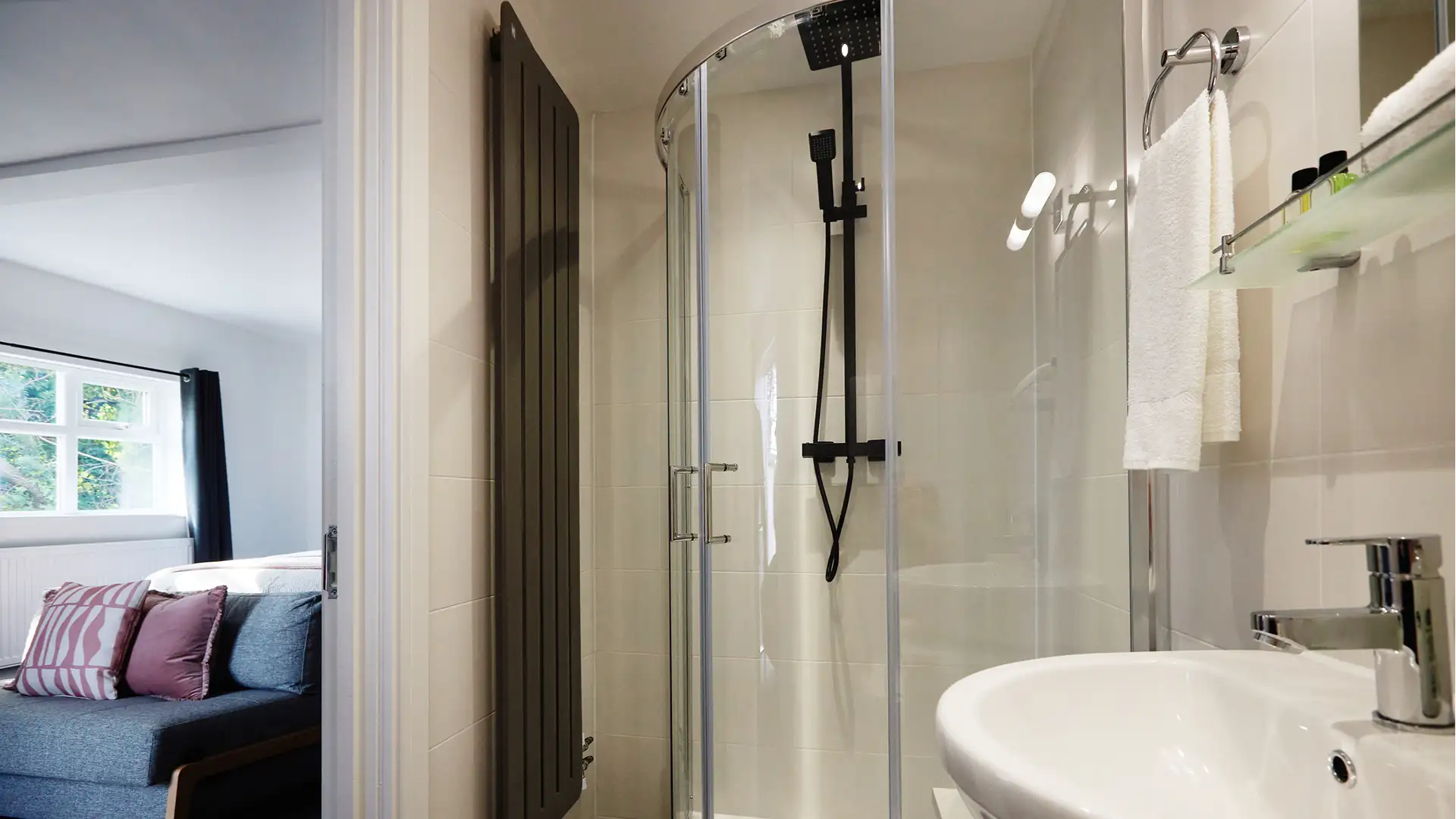
We survey the building and map the water system before quoting, so the assessment covers your real outlets, storage and dead legs rather than a generic checklist.

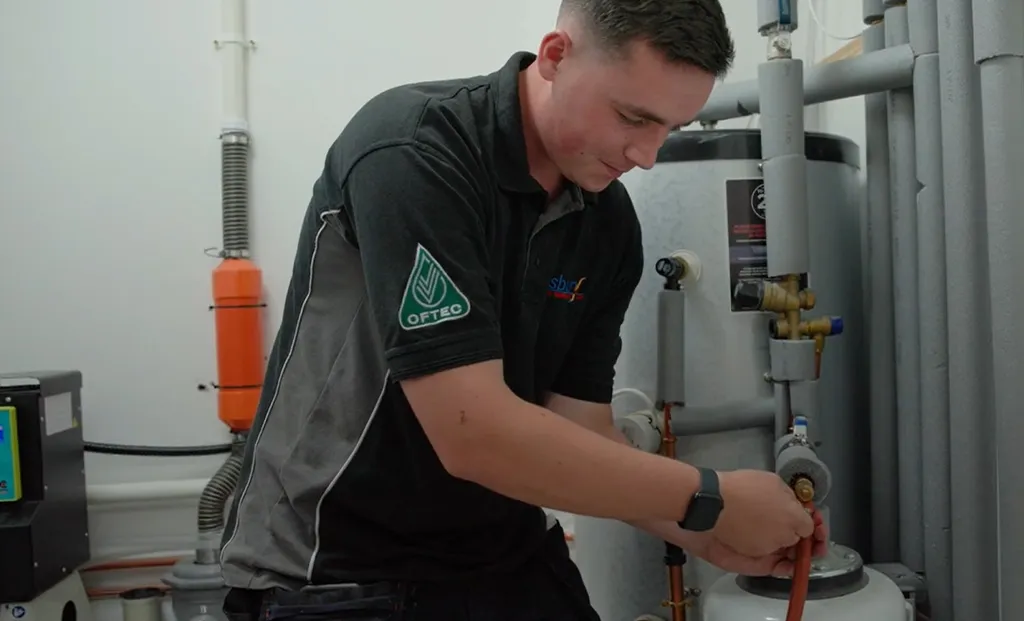
Samples go to an independent laboratory for full analysis. Results come back in writing, so the findings carry weight with an inspector, an insurer or a head office.

We schedule testing around check-in patterns and service times, so sampling and any flushing happen without disturbing guests or covers.

Your compliance file is complete before we leave the site. It holds the risk assessment, the sample results and a written scheme of control, ready for whoever needs to see it.
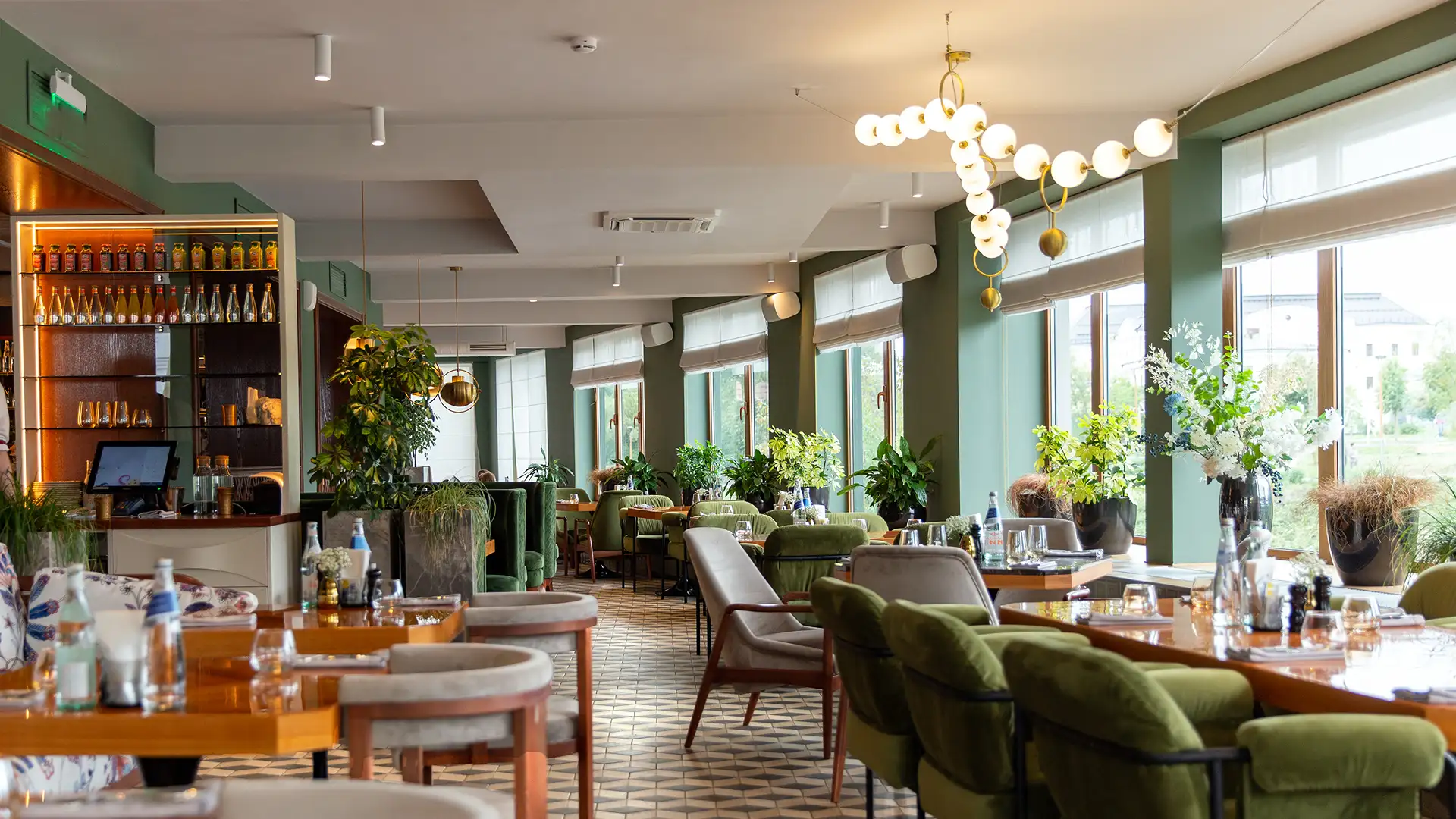
Registered contract clients receive scheduled re-assessment and monitoring, keeping control current well beyond the first certificate.
What a Complete Legionella Programme Includes
A Legionella risk assessment is the start of the job, not the whole of it. Controlling the risk in a working hotel or restaurant means assessing the system, testing the water, keeping temperatures and outlets in check, recording what you find and acting when something is wrong. Each of those is a distinct piece of work. A complete water safety contract covers every one of them.
The breakdown below is what a full programme looks like for a hospitality water system, with the specific job each part is there to do.
The Assessment That Maps Your Whole Water System
A full Legionella risk assessment identifies every asset, outlet and dead leg in the building, giving you an accurate picture of where risk sits.
Water Testing That Confirms What the Assessment Suspects
Laboratory sampling measures the actual bacterial load at the points the assessment flags, so control decisions rest on hard results.
Temperature and Outlet Checks That Catch Problems Early
Routine monitoring covers stored water temperatures, thermostatic mixing valves and little-used outlets, catching the conditions that let Legionella grow before they take hold.
A Written Scheme That Keeps Your Records Current
An ongoing scheme of control, recorded in a log book, keeps your water safety documentation current, so compliance becomes a maintained record rather than a one-off certificate.
Remedial Work Handled, Not Handed Back to You
Where a risk is found, we carry out the disinfection, descaling or tank cleaning needed to bring the system back into control. The job is ours to finish, and we confirm the system is safe before we go.
How a Hospitality Legionella Contract Is Priced
Pricing depends on the size and complexity of the water system, the number of outlets and storage vessels, whether the site has a spa pool or other high-risk assets and how many properties the contract covers. A small restaurant with a single hot water cylinder is a different job from servicing a hotel group with pools, plant rooms and a mix of ageing pipework.
A planned assessment and monitoring contract sets a known annual cost. Reacting after a positive sample or a case investigation costs more, and it lands at the worst possible moment. We quote against the water system in front of us, so the price reflects your building.
Where We Carry Out Legionella Testing
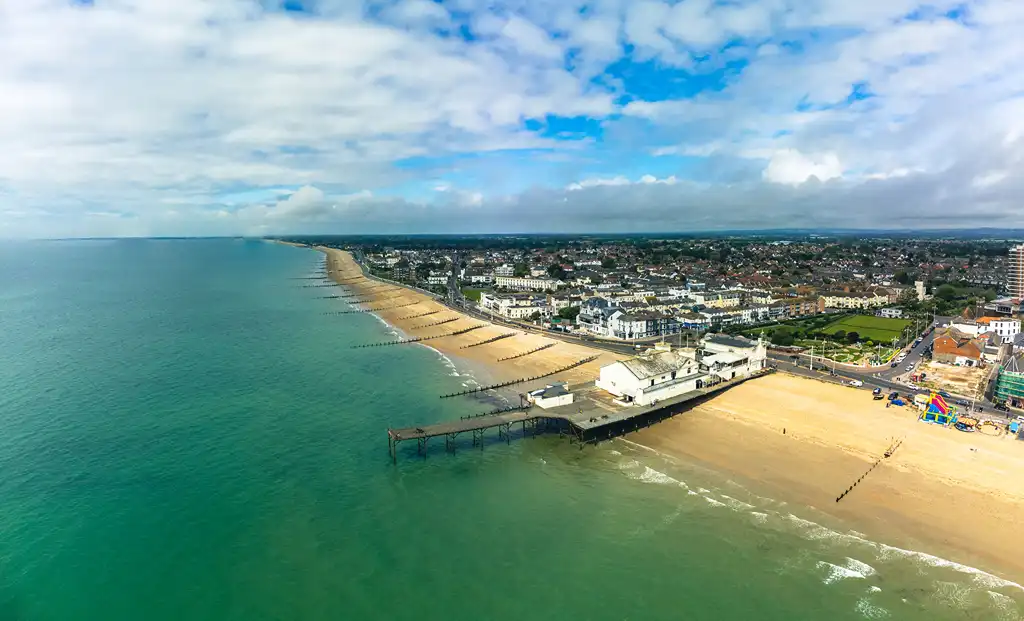
We provide hotel and restaurant Legionella testing across the south of England. Our engineers are based locally, used to the coastal and market town settings where much of the region’s hospitality trade sits.
Our engineers cover:
- Dorset, including Bournemouth, Poole, Christchurch and Dorchester.
- Hampshire, including Southampton, Winchester and the New Forest.
- Wiltshire, including Salisbury, Swindon and Chippenham.
We also cover East and West Sussex, Surrey and parts of Devon, so a hotel group or restaurant operator with sites across the south can work from one contract and one water safety record.
A Positive Sample Is Not the Moment to Start
Left to chance, hotel and restaurant water safety surfaces at the worst time, in a positive sample during an investigation, or a question from an inspector that the records cannot answer. A planned assessment replaces that exposure with a mapped system, tested water, current documentation and a clear schedule for keeping it that way.
Asbury Heating has provided commercial water safety and heating services to hotels, restaurants, pubs and bars across the south of England since 1962. Licensed for commercial Legionella risk assessment and testing, and SafeContractor accredited, we carry out the assessment, the sampling and the remedial work under one contract and one point of contact.
To arrange a Legionella risk assessment for your hotel or restaurant, call 01202 745189 or request a site survey.
Frequently Asked Questions
Yes, hotels and restaurants have a statutory duty to assess and control Legionella risk under the Approved Code of Practice L8 and HSG274. The duty covers:
- Appointing a responsible person with documented accountability.
- Carrying out a written risk assessment of the whole water system.
- Acting on findings and keeping records available for inspection.
You can find out more about what commercial Legionella risk assessment and testing involves, or review what hard services in facilities management include for commercial premises.
That depends on the written scheme of control the risk assessment produces. For most hotel water systems, the schedule looks like this:
- Stored water temperature monitoring: monthly.
- Outlet checks and flushing of infrequently used taps: monthly.
- Full water sampling: every three to six months.
- Full risk assessment review: at least every two years, or after any significant change.
L8 sets the framework; your scheme sets the frequency. Our commercial Legionella risk assessment and testing service includes a written scheme tailored to your property, and our commercial maintenance contracts can keep the schedule running without you having to chase it.
Responsibility sits with the duty holder, be it the employer, owner, or the person with overall control of the premises. In practice, they appoint a responsible person to manage the day-to-day water safety programme. That person:
- Does not need to carry out testing themselves.
- Does need to ensure a competent contractor does, and that records are kept.
- Carries accountability if a case is investigated and records are absent.
Our HVAC facilities management service covers this as part of a wider compliance programme. See our accreditations for the independent verification that underpins our contractor competence.
You can, provided you can demonstrate competence under L8 and HSG274. In practice, most commercial hospitality operators appoint a specialist contractor because:
- The assessment must map every outlet, storage vessel and dead leg in the building.
- Water samples must be taken correctly and analysed by an accredited laboratory to carry evidential weight.
- The liability exposure if an assessment is missed or incomplete is considerable.
For a single restaurant, a self-assessment may be straightforward. For a hotel with pools, calorifiers and varied pipework, it rarely is. Our commercial Legionella risk assessment and testing takes it off your plate. See the areas we cover to confirm we operate in your location.
There is no single mandatory qualification, but a competent contractor should be able to demonstrate:
- Working knowledge of L8, HSG274, and BS 7592 sampling procedures.
- Use of an independent, accredited laboratory for all sample analysis.
- Independent health and safety verification, such as SafeContractor accreditation.
Asbury holds SafeContractor accreditation, independently audited. You can review all of our accreditations before engaging. If you want a broader picture of what a compliant water safety programme looks like, our HVAC facilities management page sets it out in full.
Yes, showers are one of the most commonly flagged Legionella risk points in a hospitality building. Several factors make them a priority:
- Droplets from a showerhead are exactly the size inhaled deep into the lungs.
- Infrequently used rooms let water stagnate at temperatures where Legionella multiplies.
- Showerheads accumulate scale and biofilm that provide a habitat for bacteria.
A risk assessment identifies which outlets require flushing schedules, temperature monitoring and descaling. Our blog where Legionella bacteria can be found in a hotel covers this in more detail. For assessment services, see commercial Legionella risk assessment and testing.
Pricing depends on several factors specific to your building:
- The number of outlets, storage vessels and high-risk assets (spa pools, cooling towers, calorifiers).
- The age and condition of the pipework and whether there are known dead legs.
- Whether the contract covers a single site or a multi-property group.
A planned assessment and monitoring contract fixes the annual cost in advance, which is consistently less disruptive than reacting after a positive sample. We quote against the actual system after a site visit. To request a quote, contact us directly. For multi-site groups, our commercial maintenance contracts can cover all properties under one agreement.
The timeline has two parts: the site visit and the laboratory analysis:
- Site visit: typically half a day for a mid-sized hotel; larger properties with multiple plant rooms take longer.
- Laboratory analysis of water samples: usually five to ten working days.
- Complete documentation (risk assessment, sample results, written scheme of control): normally two weeks from the site visit.
We give a realistic timescale before the assessment starts. See where we operate across the south of England, or contact us to discuss your site.
Yes, and it happens. Hotel water systems are a recognised source of Legionnaires’ disease. The UK Health Security Agency records travel-associated cases linked to accommodation every year.
The reason hotels are a higher-risk setting than, say, an office comes down to:
- Large stored water volumes with variable daily draw-off.
- Many infrequently used outlets across a large number of rooms.
- Shared facilities such as pools, spas and cooling systems where water can stagnate.
Our blog on where Legionella bacteria can be found in a hotel explains the specific risk points. A properly assessed and maintained water system, as covered by our commercial Legionella risk assessment and testing service, is the practical response.
The relevant standard is BS 7592, which covers the correct procedures for sampling water systems for Legionella bacteria. Samples taken under BS 7592 require:
- Correct sample volume and container type.
- Appropriate temperature maintenance during transport.
- Analysis by a UKAS-accredited laboratory within the specified timeframe.
Results from samples taken incorrectly will not withstand scrutiny in an investigation or an insurance dispute. Asbury takes all samples to BS 7592 and uses an independent accredited laboratory for analysis. For the wider regulatory context, our commercial Legionella risk assessment and testing page covers L8 and HSG274 in full.
You can also review how we carry out assessments for schools in our Legionella risk assessment for schools guide, which illustrates the same process applied to another regulated setting.