


Hotel & Restaurant Air Conditioning Services
F-Gas certified cooling and ventilation for hotels and restaurants across the South of England
Get in touch
Get in touch with us today, and we’ll help to find the right solution for you. We aim to respond to all contact submissions within 48 hours.
When the Air Conditioning Fails, Guests Notice First
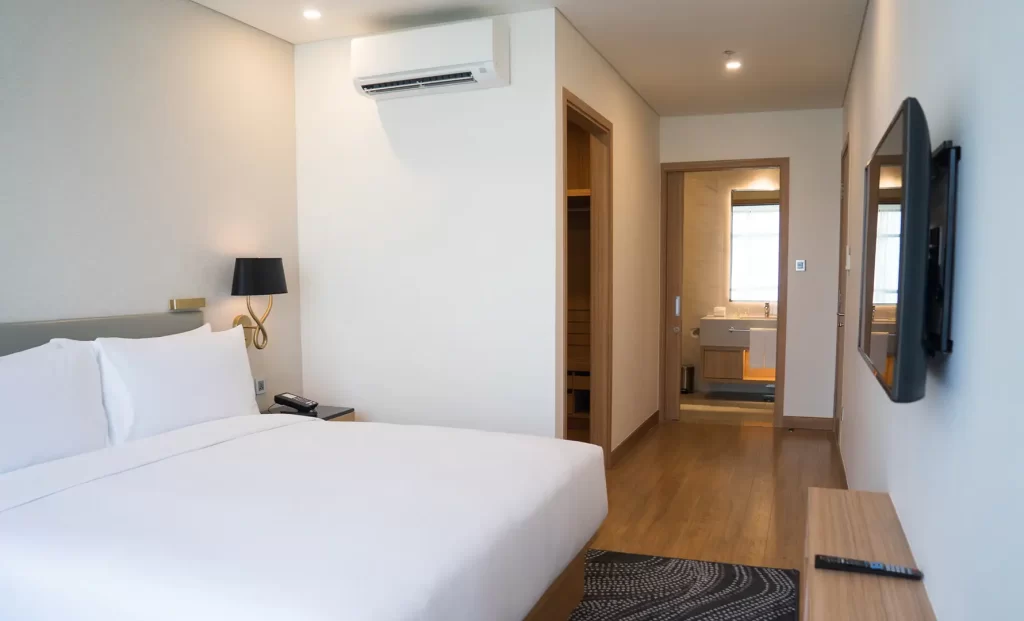
A hotel bedroom at 27°C in July means a refund request and a one-star review. A restaurant dining room incapable of holding a stable temperature during a Friday service loses covers, and the kitchen staff are the last to hear about it. In hospitality, climate control is not a facilities concern that sits quietly in the background. It is part of the guest and diner experience, and when it fails at peak occupancy, the cost is measured in revenue rather than repair bills.
The operational pressure runs deeper than the obvious. According to the Carbon Trust, heating, ventilation and air conditioning accounts for around 40% of energy consumption in UK hotels, which means the specification matters as much as the repair history. A system that is oversized for a boutique hotel, undersized for a busy kitchen extract zone, or simply ageing past the point of reliable performance does not just cost more to run. It fails more often, and hospitality has no quiet period for that to happen without consequence.
Asbury Heating has serviced hotels and restaurants across Dorset, Hampshire, and Wiltshire since 1962. Our F-Gas certified engineers work in environments where the system needs to be right the first time, and where a fault reported at 11pm on a Saturday needs an engineer on site before Sunday breakfast service begins.

Five Star Reviews
We’re rated five star by our customers on Google. Check out the testimonials from some of our incredible customers by clicking the button below.
The Credentials a Hospitality Operator Should Ask For
Every engineer on our team holds F-Gas certification, the qualification required by law to install, maintain, and repair systems containing fluorinated refrigerants. It is mandatory for any commercial air conditioning work. Ask any contractor to show you their certification before work begins.
For hotels and restaurant groups, the detail that matters beyond the certification is whether the engineer understands the environment. A system installed without accounting for kitchen heat loads, bedroom noise thresholds, or the scheduling constraints of a property that never fully closes is a system that will cause problems later. Our work starts with those specifics, not after them.
Here is what we bring to a hospitality contract:
- We hold F-Gas certification for the safe handling of refrigerants across every system type we install.
- We are SafeContractor accredited, which independently verifies our health, safety, and ethical standards.
- We give manufacturer-neutral advice, based on your building and how it operates rather than a supplier arrangement.
- Registered contract clients receive 24/7 emergency callout, with an engineer on site within 2 to 4 hours.
- A single point of contact manages your contract across every site and every visit.
Hotels & Restaurants We Work With
Every Venue Has a Different Brief
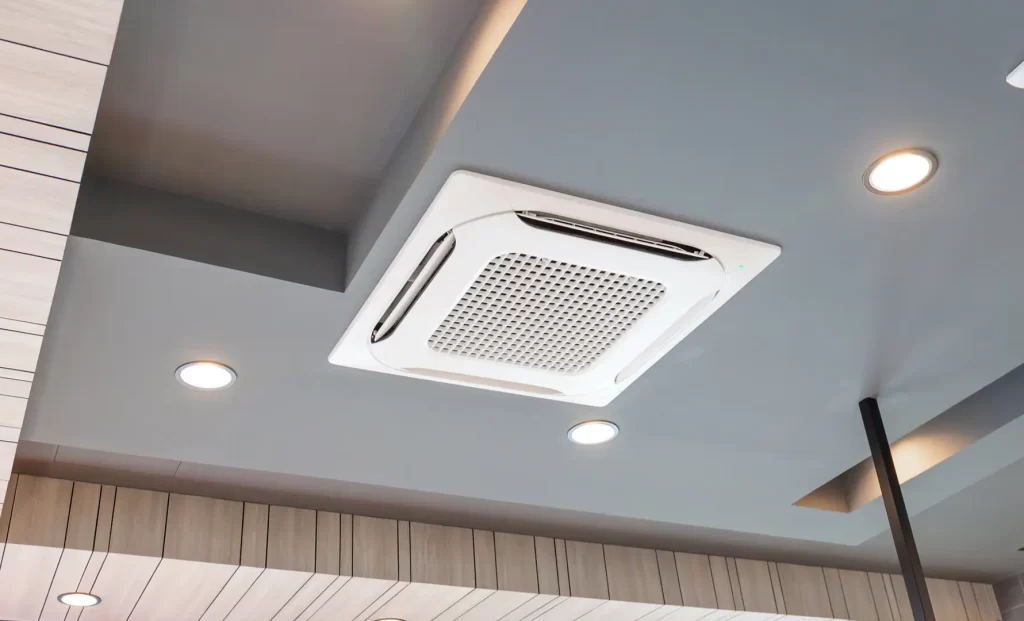
A city-centre hotel and a seafront restaurant are both hospitality businesses, but the air conditioning brief for each has almost nothing in common. One needs independent temperature control across dozens of guest rooms and a busy lobby; the other needs quiet, consistent cooling that does not intrude on the dining atmosphere or add to the kitchen’s heat management problem. We build our installation and servicing schedules around how each venue operates, not a template that fits the category rather than the building.
From First Survey to a System You Can Rely On
Here is how a hotel or restaurant air conditioning contract moves from initial enquiry to a fully serviced system.

We survey the building before producing any price, so the system is sized for your actual cooling load: the number of covers, the bedroom count, the kitchen extract requirements. It is not a per-square-metre estimate that ignores how the space is used.
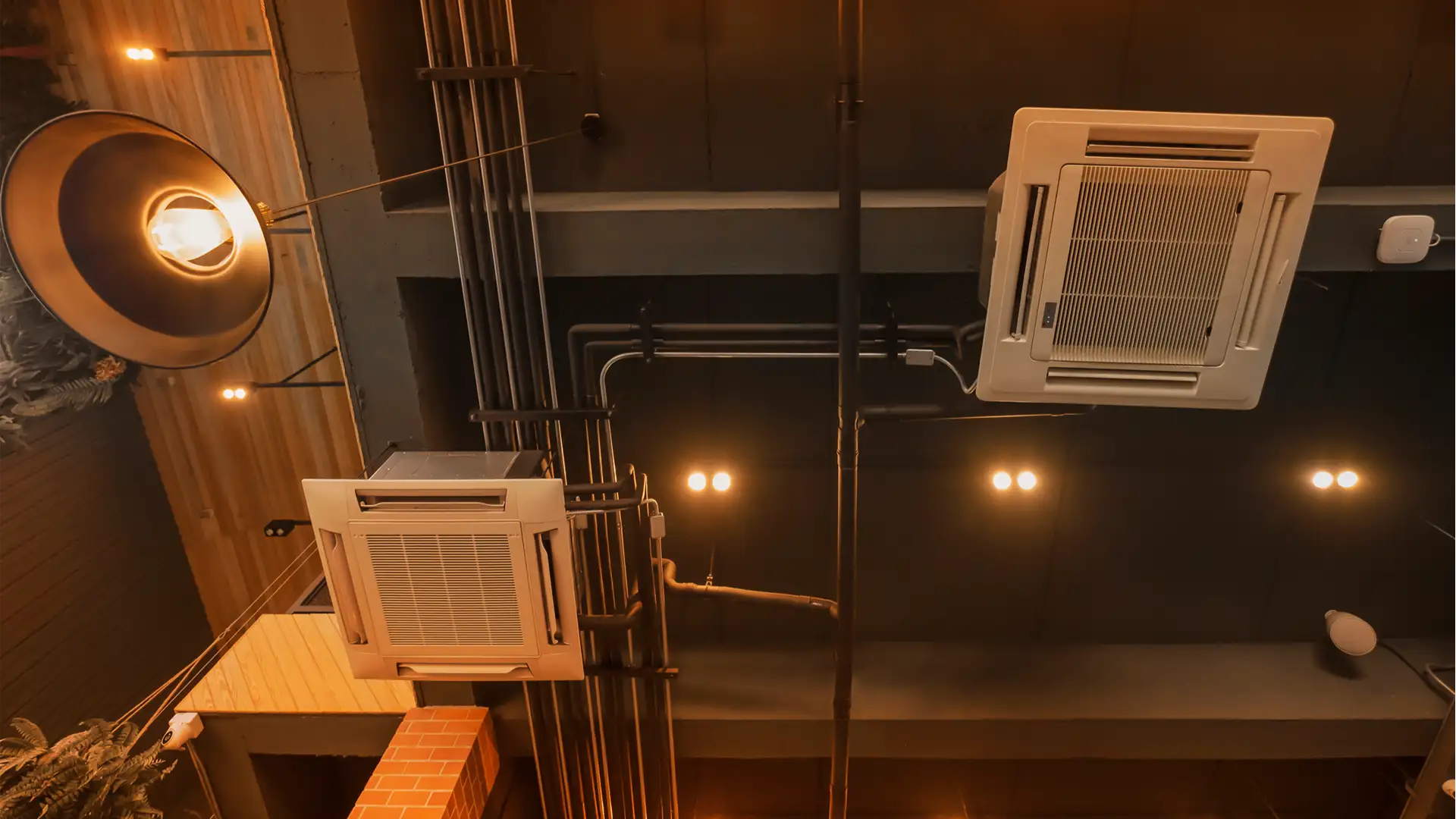
We are not tied to any manufacturer, so the recommendation is based on what your venue needs. Whether that is VRF for a multi-zone hotel, a quiet split system for a restaurant dining room, or ducted units for a listed property where visible equipment is not an option, the specification follows the building.

Work is scheduled around check-in patterns, service times, and occupancy, so installation does not require closing the restaurant or emptying a floor of guest rooms during a period you cannot afford to lose.

Every installation is commissioned and handed over with full F-Gas and building control documentation, so the compliance paperwork is in place and the system is fully operational before your next peak trading period.
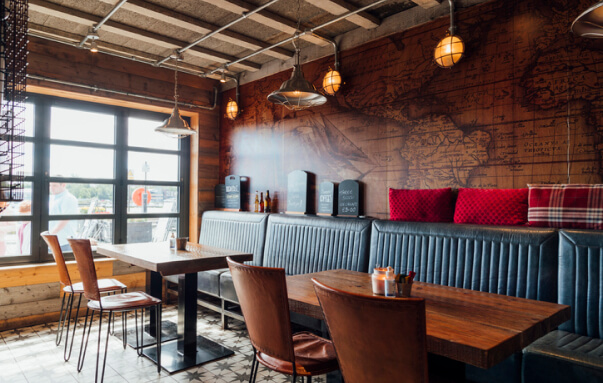
Each service visit is F-Gas compliant and documented in writing, and registered contract clients receive an engineer on site within 2 to 4 hours if something fails outside a scheduled visit.
Matching the System to the Venue
Hotel and restaurant buildings carry a wider range of cooling demands than most commercial properties. A bedroom corridor needs quiet, consistent temperature at night. A kitchen needs extract and temperature management under sustained heat load. A dining room needs cooling that guests cannot hear. The right system depends on which of those demands the building presents, and often on more than one at the same time.
The breakdown below covers the system types we install most often in hospitality settings, and the specific problem each one is there to solve.
Independent Control Across Every Room, One Outdoor Unit
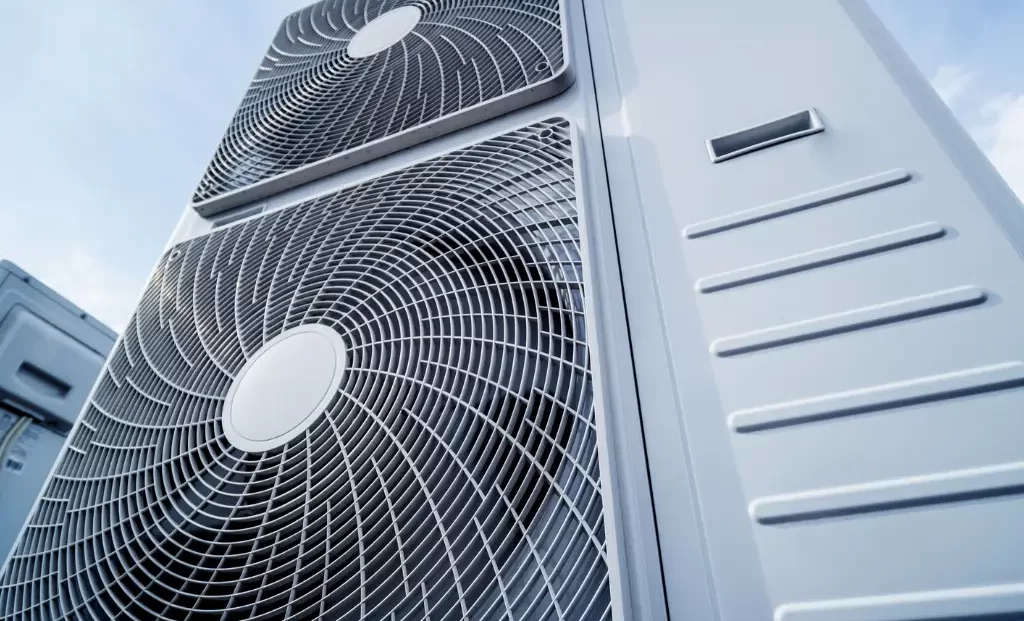
VRF and VRV systems suit hotels where different zones (bedrooms, lobby, bar, restaurant) need different temperatures running simultaneously, without the footprint and cost of a separate outdoor unit on every floor.
Cooling Sized to the Venue, Not the Floor Plan
Split and multi-split systems suit smaller restaurants and single-zone hospitality spaces where the brief is straightforward cooling without the cost or complexity of a multi-zone installation.
Quiet Enough for a Dining Room
Low-noise indoor units are specified for dining rooms and guest bedrooms where ambient sound is part of the experience, and a unit that runs audibly at 2am is not a viable option regardless of its cooling output.
Lower Running Costs Built Into the Specification
We install systems with high Coefficient of Performance ratings as standard. In hospitality settings where systems run for extended hours across peak season, the energy bill reflects every specification decision made at installation.
Compliance Managed as Part of the Contract
F-Gas regulations, TM44 inspection requirements, and any building control obligations are handled as part of the contract. Compliance does not become a separate task for your maintenance or facilities team.
What Shapes the Cost of a Hospitality AC Contract
Pricing depends on the number of zones, the system types required across the venue, and the service frequency the contract specifies. A boutique hotel with ten bedrooms and a small restaurant is a different brief from a hotel group with multiple sites and a mix of system ages and types, and the contract reflects that difference.
Reactive repairs cost more than planned servicing in almost every case, and in hospitality, a system fault during July or August costs considerably more than the engineer’s call-out rate. A planned contract sets the price before the season, not after the problem.

Areas We Cover
We provide hotel and restaurant air conditioning services across the South of England, with engineers based locally and familiar with the coastal and market town settings where much of the region’s hospitality trade is concentrated.
Our engineers cover:
- Dorset, including Bournemouth, Poole, Christchurch, and Dorchester.
- Hampshire, including Southampton, Winchester, and the New Forest.
- Wiltshire, including Salisbury, Swindon, and Chippenham.
We also cover East and West Sussex, Surrey, and parts of Devon, so hotel groups and restaurant operators with properties across the south can work from a single contract and a single point of contact.
A System Fault in Peak Season Is Not Neutral
A reactive approach to air conditioning management tends to surface at the worst moment. The repair log that builds through spring becomes a failure during the July heatwave. A summer breakdown in a hotel or busy restaurant costs revenue, occupancy, and the reviews that follow. A planned contract replaces that exposure with scheduled servicing, documented compliance, and guaranteed emergency cover if something does go wrong between visits.
Asbury Heating has provided commercial heating and air conditioning services to hotels and restaurants across the South of England since 1962, including the Christchurch Harbour Hotel. Our F-Gas certified engineers work in live hospitality environments, with contracts built around service schedules and occupancy rather than standard business hours.
To discuss an air conditioning contract for your hotel or restaurant, call 01202 745189 or request a site survey.
Frequently Asked Questions
Most hotels use either VRF (Variable Refrigerant Flow) or split and multi-split systems, depending on their size and configuration. VRF suits larger properties where different zones (bedrooms, lobby, restaurant) need independent temperature control from a single outdoor unit.
Smaller hotels and boutique properties often use multi-split systems, which are simpler to install and maintain. PTAC (packaged terminal air conditioner) units are common in US hotel chains but are less standard in UK commercial installations. The right system depends on building layout, occupancy patterns, and noise requirements.
Commercial air conditioning systems should be serviced at least once a year, and most hospitality operators with systems running across peak season will schedule a second inspection before summer. The legal baseline in the UK is a TM44 energy efficiency inspection every five years, but that is a compliance check, not a maintenance visit.
Regular servicing (cleaning filters, checking refrigerant levels, and inspecting electrical components) is what prevents breakdowns during the periods when a fault is most costly. Our F-Gas certified engineers carry out fully documented service visits for contract clients across the South of England.
Under the Energy Performance of Buildings Regulations 2012, any air conditioning system with an effective rated output above 12kW must be inspected by an accredited assessor every five years. This is the TM44 inspection.
Separately, any work involving fluorinated refrigerants (including maintenance, repair, and refrigerant recovery) must be carried out by F-Gas certified engineers. There is no legal requirement for annual servicing in itself, but building owners remain responsible for maintaining systems in safe working order under Health and Safety at Work Act obligations.
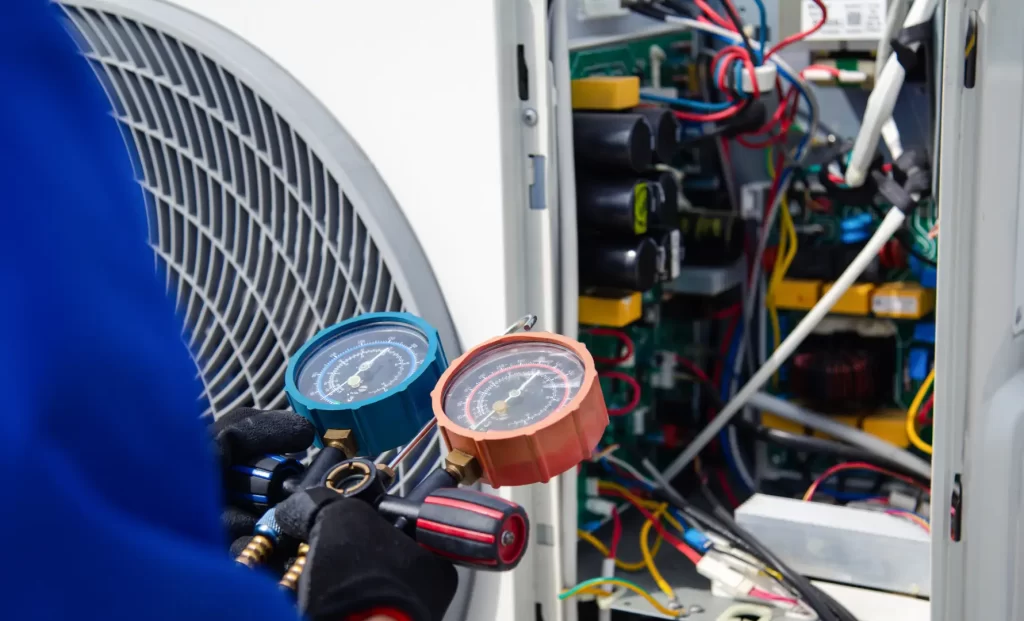
A standard commercial AC service covers a full performance test on completion, plus:
- Filter cleaning and replacement.
- Refrigerant pressure checks.
- Electrical component inspection.
- Condensate drain clearing.
- Coil cleaning.
We document each visit in writing and update the F-Gas records. Where a fault or signs of refrigerant loss are found during the visit, the engineer will advise on repair options before the system is returned to service.
The full scope varies slightly by system type. VRF installations have additional components compared to a single split unit.
The clearest signs are:
- Reduced cooling output.
- Visible ice on refrigerant lines or indoor units.
- Rising energy consumption without a change in usage patterns.
- The unit cycling on and off more frequently than normal.
- Unusual noise during operation.
In hospitality settings, guest complaints about room temperature are often the first indicator that an air conditioning system is losing efficiency. Any of these warrants a service visit rather than monitoring. For contract clients, scheduled inspections often catch these issues before guests do.
A well-maintained commercial AC system will tend to last between 15 and 20 years. Systems that run for extended hours across peak season and receive irregular maintenance tend to fail sooner, often at the 10 to 12 year mark. The system type matters too. VRF installations generally have a longer effective service life than packaged units when maintained to schedule.
The practical question for most hospitality operators is not how long the system will last, but at what point repair costs start to exceed the cost of planned replacement. Our engineers can advise on system condition and remaining service life during a site survey.
Yes, a commercial kitchen produces substantial heat, grease vapour, and moisture, so the AC system must work alongside the extract ventilation rather than against it. Spot cooling for specific work areas, or a separate air handling unit for the kitchen, is usually a more practical solution than extending a standard comfort cooling system into the cooking zone. We carry out site surveys for hospitality kitchens across the South of England and can advise on the right approach for your building.
Servicing costs depend on the number of units, the system type, and the contract terms. A single split unit service starts from around £100 to £150. A multi-site hotel group with a mix of VRF and split systems across several properties will be priced as a managed contract with a set annual fee. Planned contract servicing costs less per visit than reactive callouts, particularly when a fault occurs outside standard hours. We provide a written quotation following a site survey, so you have the full cost before any commitment. Call 01202 745189 to arrange a survey.
In most UK hotels, guests can adjust the temperature within a range set by the property management system. The building-level controls (including night setback, outdoor air compensation, and overall system scheduling) sit with the facilities team.
Centralised management is standard in larger hotel groups using Building Management Systems (BMS), which allow a facilities manager to monitor performance and energy consumption across zones and floors from a single interface. This also means faults can be identified before a guest reports them.
An unserviced system accumulates dirt on heat exchange coils, reducing efficiency and increasing energy consumption. Filters block, airflow drops, and the unit works harder to maintain the set temperature, accelerating wear on the compressor. Refrigerant leaks that would have been caught in a routine inspection go undetected until the system loses cooling capacity entirely.
In a hospitality setting, the outcome is a fault during peak occupancy, an emergency callout at out-of-hours rates, and reduced comfort for guests while the fault is being fixed. For registered contract clients, Asbury Heating provides 24/7 emergency cover with a 2 to 4 hour response time, but planned servicing is what makes that call unnecessary in most cases.