


Heating and Boiler Services for UK Hotels and Restaurants
Expert heating, hot water, boiler, and compliance support for UK hotels and restaurants
Get in touch
Get in touch with us today, and we’ll help to find the right solution for you. We aim to respond to all contact submissions within 48 hours.

A hotel or restaurant never really closes, which is why the heating and hot water behind it can’t afford to either. Guest rooms need consistent warmth through the night, kitchens need hot water from the first prep of the morning through to the last plate of dinner service, and any gap in that supply becomes a guest’s problem within minutes rather than an internal one.
That’s why our 2–4-hour emergency callout for registered contract clients sits at the centre of how we work with hotels and restaurants, alongside the hotel boiler maintenance schedules designed to stop failures happening in the first place. We’ve supported hospitality operators including Christchurch Harbour Hotel & Spa, and every job we take on in this sector starts from the same place: understanding how a heating failure plays out for a guest, not just for a boiler.
Our engineers are Gas Safe registered, which matters most at 6am when a kitchen needs hot water and nothing else will do. And they can be quickly and easily reached by calling us on 01202 745189 or clicking the button below.

Five Star Reviews
We’re rated five star by our customers on Google. Check out the testimonials from some of our incredible customers by clicking the button below.
Why Hospitality Heating Is a Specialist Brief
Hotels and restaurants ask more of a heating and hot water system than most commercial buildings ever will. A 100-bedroom hotel might be running showers in fifty rooms, laundry cycles in the basement, and a kitchen prepping breakfast, all inside the same ninety minutes, and the system has to cope with all three loads at once rather than one after another. That’s a different specification challenge to a standard office block, where demand is spread more evenly across the day.
Restaurants have their own pattern. A sixty-cover dining room needs a working system through service, not most of the way through it, which is why restaurant boiler service work must be planned around trading hours rather than squeezed in whenever it suits a contractor. A kitchen brigade cannot start prep without hot water, and a hotel cannot check fifty guests out of cold rooms without consequences that show up in reviews long before they show up in a maintenance report.
This is the gap between hospitality heating maintenance and general commercial servicing: the failure is never just internal, it’s guest-facing, and the fix has to fit around a building that doesn’t stop trading to let you in.
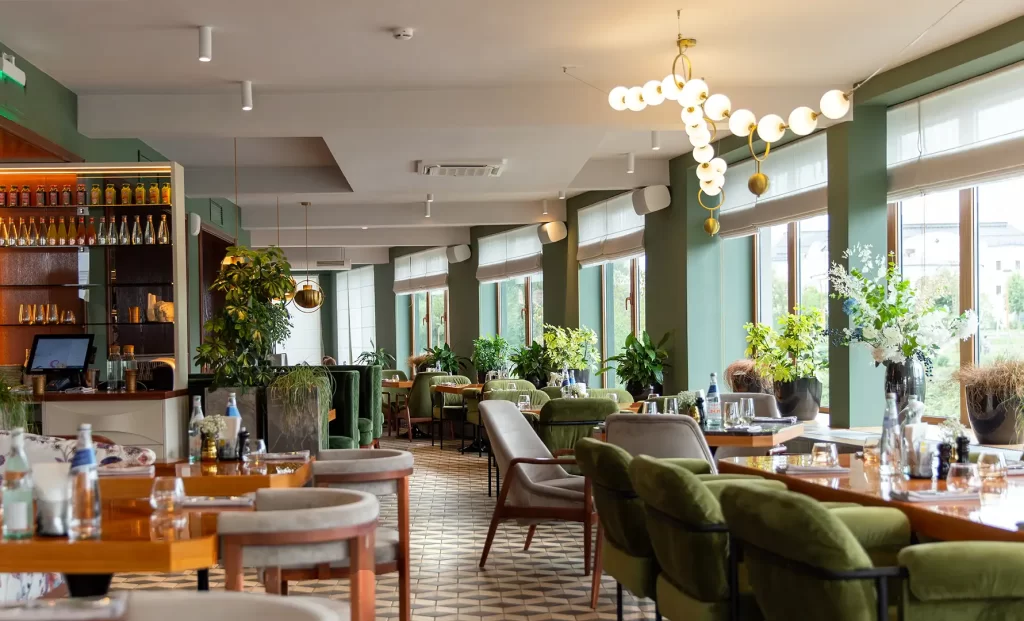
Hotels, Restaurants, and the Venues in Between
Commercial Boiler Installation & Specification
Specifying a boiler for a hotel or restaurant starts with the demand pattern, not the building size. A property with continuous, overlapping hot water use, guest rooms, kitchen, laundry, spa, needs a system sized for its busiest ninety minutes, not its average hour, which is why commercial boiler services for hotels usually involve more careful load calculation than a standard office installation.
For larger properties, we often recommend a cascade boiler arrangement: several smaller boilers working together rather than one large unit carrying the whole load. If one boiler in a cascade fails, the others keep the hot water running, which matters when a single boiler failure could otherwise take down hot water across a 100-bedroom hotel.
We carry out boiler installation and commissioning work outside your trading hours wherever possible, so guests and staff aren’t disrupted while the system goes in, and every installation finishes with gas tightness testing and purging before we hand the system back. This is the kind of detail that shows up in hotel heating contracts once they’re running day to day, not just on installation day.
Planned Maintenance & Emergency Callout
A planned maintenance contract for a hotel or restaurant covers routine servicing, safety checks and compliance testing on a schedule built around your trading pattern rather than ours, with visits arranged for quiet periods rather than peak service or a fully booked weekend.
After each visit, you’ll receive compliance documentation showing what was checked, what passed, and what, if anything, needs attention, so you’ve got a clear record if a guest, an inspector or an insurer ever asks. That’s the core of hotel boiler maintenance done properly: catching the small issues before they become the reason a boiler fails on a Friday night.
For registered contract clients, our emergency callout brings an engineer to site within 2-4 hours, which is the difference between a contained problem and a night of cold guest rooms or a closed dining room.
It’s worth being honest about the maths here. A boiler failure on Christmas Eve in a sixty-cover restaurant costs far more than the repair invoice, once you count the cancelled covers, the refunds and the guests who don’t come back. Reactive repairs are rarely cheaper once you look at the whole picture, which is exactly why restaurant boiler service contracts built around prevention tend to work out better value over a five-to-ten-year period than paying for breakdowns as they happen.


Boiler Systems Asbury Heating Installs & Maintains
Most hotels on mains gas run on commercial condensing boilers, which remain the standard choice for consistent efficiency at scale. Coastal and rural properties without a mains gas connection often use LPG systems instead, and we install and maintain both. Where a property already runs on oil, we service and maintain oil-fired boilers too, working within OFTEC guidelines throughout.
Alongside the boilers themselves, pressurisation and expansion equipment keeps the system running at the right pressure without manual topping up, which matters in a building that can’t afford unplanned downtime. Larger hotels with heavy stored hot water demand, spa facilities and multiple guest floors, often rely on calorifiers to hold a reserve of hot water ready for peak periods rather than heating it on demand alone.
Whichever combination your property runs, hospitality heating maintenance means keeping all these components working together, not servicing the boiler in isolation and hoping the rest holds up.
We also cover air conditioning and legionella risk assessment and testing for hospitality properties, which you can read about on our website.
Accreditations
Every engineer working on your property is Gas Safe registered for commercial systems, and we hold OFTEC registration for oil-fired installations where that’s what your building runs on. We’re SafeContractor accredited, which means our health and safety processes have been independently checked rather than just self-declared. For gas tightness testing and purging, our engineers hold CMDDA1 and CMDDA1S certification, the qualifications that specifically cover this work on commercial systems.
Together, these accreditations sit behind every commercial boiler services for hotels engagement and every new installation we carry out, so you’re not relying on our word alone.

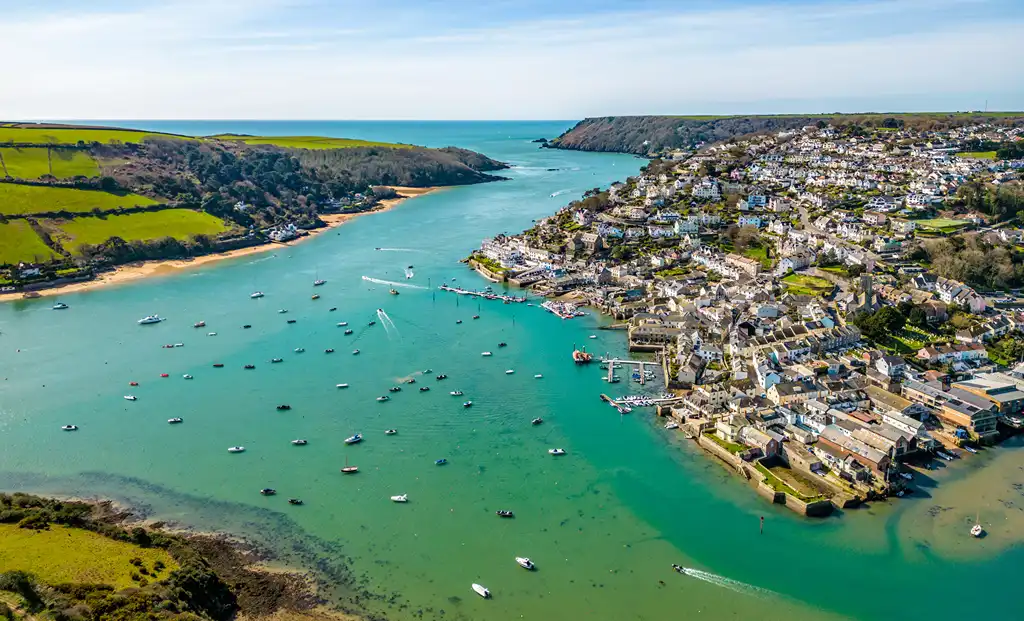
Areas We Cover
We work across the South of England, covering Dorset (Bournemouth, Poole, Dorchester, Weymouth), Hampshire (Southampton, Winchester, Portsmouth, Basingstoke), Wiltshire (Salisbury, Swindon, Chippenham), East and West Sussex, Somerset, Surrey and Devon.
Many hotel groups and restaurant chains operate across these counties, and having one contractor covering the whole region means one contract, one set of compliance records and one number to call, rather than juggling different contractors site by site.
Get a Site Survey and Boiler Assessment
If you’d like to know where your property stands, we offer a site survey and boiler assessment as a starting point: a full plant assessment, a compliance check and a written specification, before any work is agreed. Call us on 01202 745189 or get in touch via our contact form.
If you’re dealing with a heating problem right now, our emergency callout is there for hotels and restaurants who can’t wait for hotel heating contracts to be arranged first.
Frequently Asked Questions
Most commercial boilers in hotels and restaurants need servicing at least once a year, though properties with heavy, continuous use, larger hotels, busy restaurants, often benefit from twice-yearly visits split across quieter trading periods. A planned maintenance contract lets us set that schedule around your calendar rather than guessing at it.
There’s no single answer, it depends on your busiest ninety minutes, not your average day. A boiler sized for a hotel or restaurant’s peak simultaneous demand across guest rooms, kitchen and laundry will usually need to be larger, or arranged as a cascade system, compared with a boiler sized for the steadier, spread-out demand of a standard office building.
For registered contract clients, an engineer is on site within 2-4 hours to assess and, wherever possible, resolve the fault. If the boiler is part of a cascade arrangement, the remaining units usually keep hot water running while we deal with the fault, so a single breakdown doesn’t necessarily mean losing hot water across the whole property.
In most cases, yes. We plan installation and commissioning work outside your trading hours, and where a full shutdown can’t be avoided, we schedule it for the quietest point in your calendar and agree the timing with you well in advance.
A cascade system uses several smaller boilers working together instead of one large unit. If one fails, the others keep running, which gives you redundancy that a single large boiler can’t. Whether you need one depends on your size and your tolerance for downtime, larger hotels and restaurants and those with no acceptable margin for a cold night tend to benefit most.
Yes. Commercial gas appliances must be maintained by a Gas Safe registered engineer, and hotels and restaurants also carry legionella risk assessment obligations under health and safety law.
Late spring or summer is usually the easiest window, since heating demand is lower and there’s more flexibility to plan around trading. That said, a boiler nearing the end of its life shouldn’t wait for the ideal season if it’s showing signs of failing, since an unplanned breakdown in winter is a far worse position to be in.
Cost depends on the size of your property, the number and type of boilers, and how many sites you’re covering. As a rough guide, planned maintenance is almost always less expensive over time than reactive repairs once you account for lost trade during a breakdown, though we’ll only give you a firm figure after a site survey.