


Dental Practice Heating Services
Reliable heating and hot water for dental practices, without disrupting patient appointments
Get in touch
Get in touch with us today, and we’ll help to find the right solution for you. We aim to respond to all contact submissions within 48 hours.

Heating & Hot Water Built Around a Working Practice
A dental practice does not operate like a standard commercial building. A single-surgery high street practice, a specialist clinic running several chairs, and a multi-site group all share the same non-negotiable requirement: heating and hot water that cannot fail mid-appointment. Patients need a comfortable waiting room and surgery. Staff need constant hot water for handwashing between patients. Neither can wait for a callout that takes days to arrange.
The facilities contact at a dental practice needs a contractor who understands this, not one used to office contracts that can wait until Monday. Care Quality Commission (CQC) registration means the practice must be able to show its premises, including heating and hot water systems, are safe and properly maintained. That requires a maintained system, a clear service record, and a contractor who can produce that record without notice.

Five Star Reviews
We’re rated five star by our customers on Google. Check out the testimonials from some of our incredible customers by clicking the button below.
Boiler & Hot Water Services for Dental Premises
Constant hot water is clinical infrastructure in a dental practice, not simply a comfort. It supports handwashing and instrument decontamination between every patient, and a drop in supply during a working day disrupts that routine. Heating has to be equally dependable across waiting rooms, surgeries, and staff areas that run to a full appointment book.
Our Gas Safe registered engineers carry out planned preventative maintenance and fault diagnosis across gas, LPG, and oil-fired systems, in single-surgery practices and multi-site dental groups alike. Work is scheduled around opening hours and the appointment book, not the other way round.
A single maintenance contract can cover one practice or several sites under one agreement, with consistent documentation and one point of contact. For registered contract clients, a 24/7 emergency callout is available with an engineer on site within 2 to 4 hours.
We work with:
- Family dentistry practices
- Specialist dental clinics
- Multi-location dental groups
- Private healthcare providers
- Community and NHS dental facilities
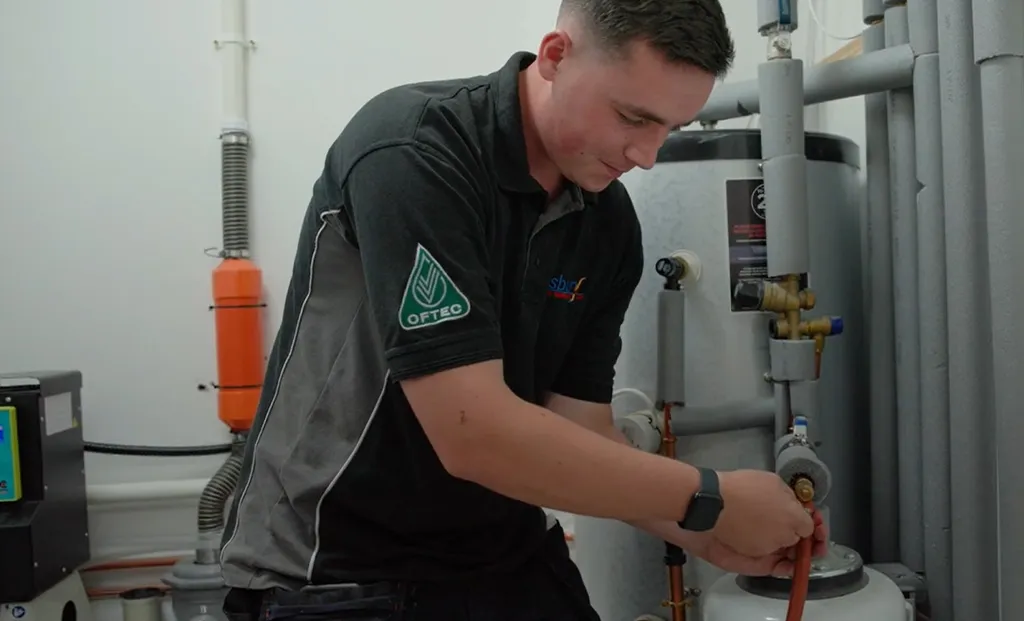

Hot Water Reliability & Building Water Safety
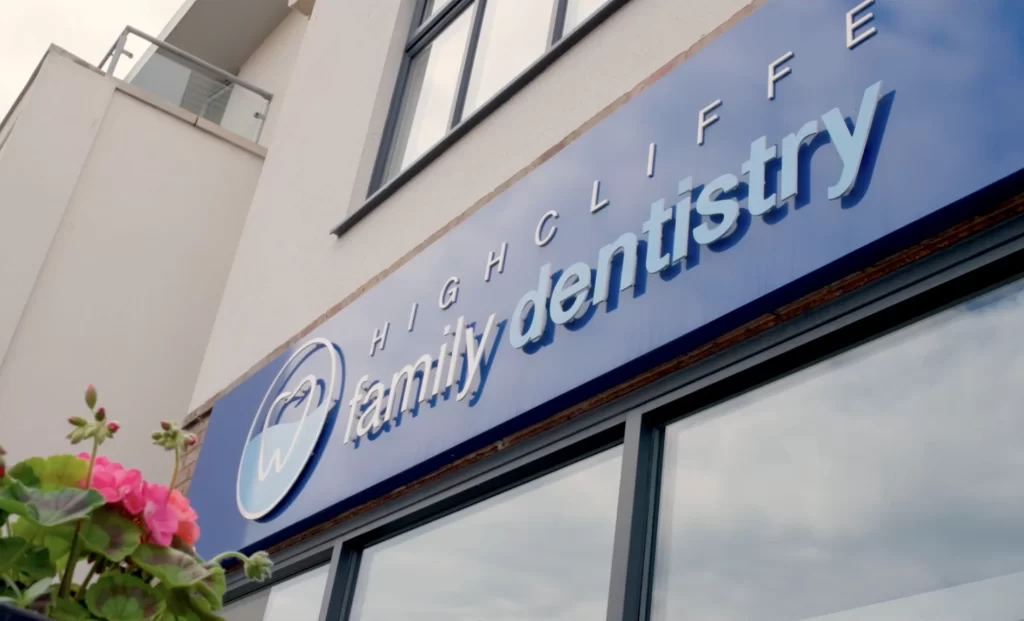
CQC inspections look closely at how a practice manages the risks in its water systems. Building maintenance is a recurring theme in CQC’s own findings on dental services, including hot water systems and routine safety checks. Only around 10% of dental practices are selected for a comprehensive inspection each year, according to the British Dental Association. Even so, the practices that are inspected need clear, current records ready to show, not a scramble to find them. Highcliffe and Christchurch Family Dentistry has been through that process with us, and their account of the switch to a maintained contract is worth reading if you’re weighing up the same decision.
Our L8 (ACoP)-compliant water safety assessments cover the building’s hot and cold water systems. They identify risk points and set out the written scheme of control the responsible person needs to hold. This sits alongside, not instead of, a practice’s clinical decontamination duties for dental equipment, which remain a separate responsibility under HTM 01-05 and sit outside our service.
Maintenance Contracts That Work Around Patient Care
A planned maintenance contract keeps a dental practice’s heating and hot water compliant without closing a surgery to do it. Visits are scheduled around the appointment book, and every visit produces documentation the practice can hold on file for CQC purposes.
All work is carried out by Gas Safe-registered engineers, with clear scope and transparent pricing agreed up front. For urgent faults between planned visits, our 24/7 emergency callout service provides a guaranteed response within 2 to 4 hours for registered contract clients. Contact is direct, through the team, rather than routed through a call centre.

Request a Heating Contract for Your Practice
Asbury has provided commercial heating and compliance services across Dorset, Hampshire, and Wiltshire for over 60 years. That includes dental and other clinical premises, where disruption to patient care is not an option. Gas Safe registered engineers carry out installations, servicing, and water safety assessments structured around your practice’s working hours.
To discuss a tailored contract or request a site survey, call 01202 745189 or complete the enquiry form.
Frequently Asked Questions
Yes, under UK health and safety law, any workplace with water systems capable of harbouring Legionella bacteria has a duty to assess and manage that risk, and a dental practice’s hot and cold water systems fall within that duty regardless of practice size. The assessment is separate from a practice’s clinical water duties under HTM 01-05. Our Legionella risk assessment and testing covers the building-wide requirement, and reviewing it forms part of a wider planned maintenance contract rather than a one-off task.
Most commercial boilers, including those in dental practices, should be serviced annually as a minimum, though usage intensity and manufacturer warranty terms can shorten that interval. A practice running several surgeries across a full appointment book puts more demand on its system than a single-chair site, which affects how often a service is worth scheduling. Our commercial boiler servicing is planned around your opening hours as part of a wider maintenance contract, rather than a one-off booking.
A full commercial service checks the boiler is running safely and efficiently, not just that it switches on. A Gas Safe-registered engineer typically covers:
- A visual inspection of the boiler casing, seals, and flue for damage or wear.
- Checks on gas pressure, burner performance, and combustion readings.
- Inspection of safety devices, including pressure relief and shut-off controls.
- Testing of associated pipework, valves, and where fitted, radiators.
- Written documentation confirming the system’s condition and compliance.
Book through our commercial boiler servicing page to arrange a visit around your appointment schedule.
A boiler overdue for attention rarely fails without warning. Watch for:
- Inconsistent hot water temperature between surgeries or at the basin.
- Unusual noises from the boiler or pipework during operation.
- A pilot light or flame that looks yellow rather than blue.
- Rising fuel bills without a corresponding rise in usage.
- Longer intervals to reach working temperature each morning.
Left unaddressed, these signs often point toward a system nearing the end of its working life rather than a quick fix. Any of these is worth acting on before it becomes an emergency call-out mid-appointment.
Most commercial boilers have a working life of 10 to 15 years with proper maintenance, though age alone is not the deciding factor. A well-serviced older unit can outperform a neglected newer one, while rising repair frequency, falling efficiency, and parts becoming harder to source are the more reliable signals that replacement is due. Our guide on how often a commercial boiler should be replaced sets out what to weigh up, and if the answer is yes, our commercial boiler installation service handles the process from survey to sign-off.
L8 is the Health and Safety Executive’s (HSE) Approved Code of Practice on controlling Legionella in water systems, and it sets the standard most Legionella risk assessments in the UK are carried out against. For a dental practice, it applies to the building’s hot and cold water systems, the same systems covered on this page, rather than to the clinical waterlines running to dental chairs, which sit under separate guidance. Our Legionella risk assessment service is carried out to the L8 standard, one of several compliance credentials detailed on our accreditations page.
L8 does not set a fixed interval for a Legionella risk assessment. It requires the assessment to be reviewed whenever there’s reason to think it’s no longer valid, which in practice usually means every two years at most, or sooner following any change to the water system, an extension, or a suspected case. Ongoing review is one of the checks built into our commercial maintenance contracts, so it isn’t left to be remembered separately.
No, a building-wide Legionella risk assessment under L8 covers the practice’s hot and cold water services, such as tanks, pipework, and outlets like taps and showers. It does not extend to the narrow-bore waterlines feeding dental chairs, which carry their own contamination risks and are managed under HTM 01-05 as part of a practice’s clinical infection control duties, not its facilities maintenance. Our Legionella risk assessment and testing sits alongside that clinical requirement rather than replacing it.
In principle, yes, but competence matters more than trade. There’s no single mandatory qualification, so the responsible person at a practice should check the assessor understands L8, water system design, and the specific risks of a clinical setting before appointing one. Asbury’s engineers are Gas Safe registered and carry ongoing accredited training relevant to commercial water systems, detailed on our accreditations page, including work with dental clients such as Highcliffe and Christchurch Family Dentistry.
Not directly. Legionella is managed primarily through the Health and Safety at Work Act and the L8 Approved Code of Practice, rather than the COSHH regulations, which govern hazardous substances more broadly. The two frameworks overlap in intent, since both place a duty on employers to assess and control a workplace risk, but L8 is the specific standard a dental practice’s Legionella risk assessment and testing is judged against, with ongoing management typically folded into a wider maintenance contract.