


Leisure Centre Heating and Boiler Services for UK Sports and Fitness Facilities
Specialist heating, hot water, boiler, and compliance support for uk leisure centres, pools, and sports facilities
Get in touch
Get in touch with us today, and we’ll help to find the right solution for you. We aim to respond to all contact submissions within 48 hours.
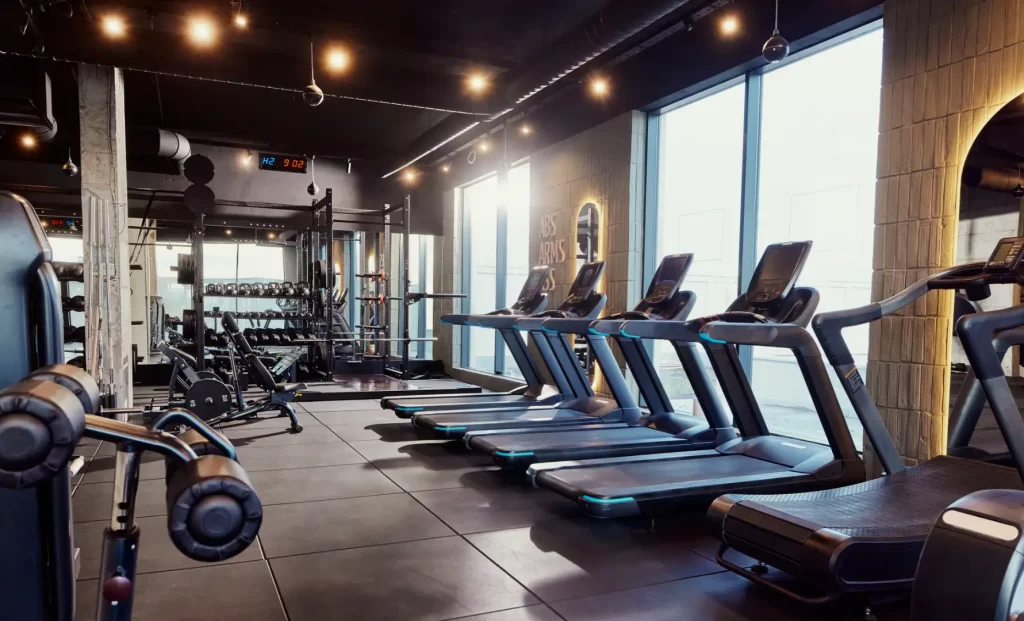
Your Leisure Facility's Heating Demands an Expert
Leisure centre heating and boilers demand a level of technical understanding that general commercial experience does not prepare a contractor for. Pool halls need continuous heat input to hold water temperature within a tight range, changing rooms and showers pull heavily on hot water at peak times, and a building management system must flex the plant across a day that rarely looks the same twice. Leisure centre boiler maintenance and installation is a specialist brief, and it needs a contractor who has done the work, not one working it out on site.
Asbury Heating has that experience, including work at AFC Bournemouth and across leisure centres throughout the South of England. This page covers why leisure centre plant is different, what a properly specified pool plant room includes, what a sports facility boiler service and maintenance contract looks like in practice, and how to reach us.

Five Star Reviews
We’re rated five star by our customers on Google. Check out the testimonials from some of our incredible customers by clicking the button below.
Why Leisure Centre Heating Is a Specialist Brief
Every part of a leisure facility puts a different demand on the plant room at once. Pool halls draw heat continuously to keep water within a narrow temperature band, whatever the time of day or occupancy level. Showers and changing rooms create sharp spikes in hot water demand the moment a swim session or gym class ends, often with several hundred people moving through in a short window. A standard commercial building rarely sees loads move like this, which is exactly why general boiler experience tends to fall short on a leisure site.
Air quality compounds the challenge. Pool halls generate humid air that must be managed alongside the heating load, with dehumidification and air handling sitting in close relationship to the plant room. Variable occupancy throughout the day, including early-morning lane swimming, school block bookings, the evening peak, and weekend volume, all require the system to flex without operating inefficiently during quieter hours.
This is why pool plant room heating is treated as a system, not a collection of separate parts. Calorifiers, plate heat exchangers, BMS controls, and dehumidification all need to be specified together, with each component sized against the others. Most commercial heating contractors have not carried out this type of work, and it shows in how a plant room performs once it is under real, variable demand. Leisure centre boiler maintenance contracts built around this understanding is what keeps the system performing as intended, session after session.

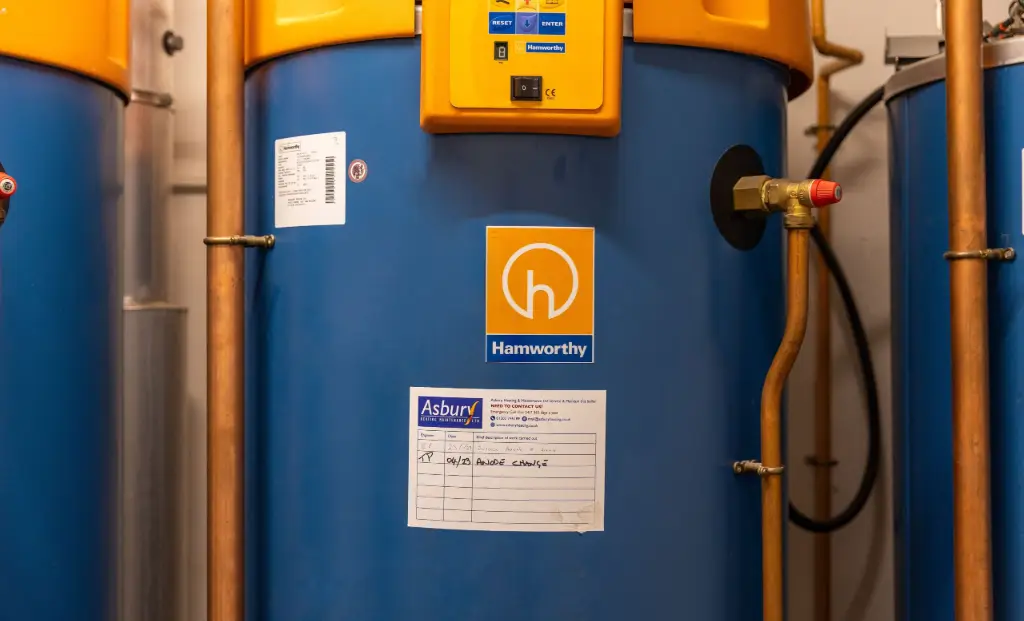
Pool Plant, Hot Water & Boiler Installation
A well-specified pool plant room extends beyond the boiler. Plate heat exchangers transfer heat to pool water without direct contact with the domestic system. Calorifiers handle the demand for stored hot water for showers and changing rooms, and dehumidification and air-handling units work alongside the heating circuit to manage pool hall conditions.
A building management system (BMS) ties controls together so the plant responds to occupancy and demand rather than running at a fixed output. Our commercial boiler installation and specification work for pool plant rooms covers pressurisation equipment and expansion vessels, BMS integration for occupancy-responsive controls, and gas tightness testing and purging on completion, so the system is signed off and compliant from day one.
This is pool plant room heating done as a single coordinated specification, not a series of standalone products fitted around each other. Our commercial boiler installations and building management systems services keep these systems performing to specification year-round, with controls and seasonal settings reviewed during every planned visit.
Planned Maintenance & Servicing Contracts
A leisure facility cannot afford the same tolerance for downtime as a standard commercial building. When a pool system or hot water plant fails mid-session, the impact is immediate and visible: a closed pool loses member trust as fast as it loses revenue, and a changing room without hot water generates complaints before the day is out. The plant room sets the pace for the whole facility, and a leisure centre boiler maintenance contract is what keeps that pace steady.
Planned preventative maintenance reduces that risk considerably. Visits are scheduled around facility operating hours, so servicing does not clash with swim sessions or bookings, and each visit produces the compliance documentation a facilities manager needs on record. A service contract also means compliance documentation stays up to date between inspections, with controls, seasonal settings, and system performance reviewed at every planned visit.
A leisure centre heating contract also tends to work out considerably less expensive over time than reactive repair, with planned servicing typically saving up to 30% against reactive-only maintenance. That gap comes from fewer emergency callouts, less unplanned parts replacement, and avoiding the knock-on cost of a closed facility.
For registered contract clients, emergency callout is available 24/7 with attendance in 2 to 4 hours, so if something does go wrong outside a scheduled visit, the response matches the urgency of running a facility that cannot simply close its doors. This is what a sports facility boiler service looks like when it is built around how a leisure centre operates, rather than a generic maintenance schedule.


Legionella, Water Hygiene & Why Leisure Sites Can't Cut Corners
Water systems in leisure facilities, including calorifiers, distribution pipework, showers, and poolside outlets, require active temperature management and documented monitoring to stay within legal water hygiene requirements. Legionella risk assessments and calorifier servicing are part of the operational rhythm for any leisure operator, not an optional layer.
We carry out commercial Legionella risk assessments and testing, and include water hygiene checks as part of planned maintenance visits. Compliance records are maintained as a matter of course rather than addressed reactively.
Our Accreditations
Asbury Heating holds the accreditations that matter when a leisure facility is choosing a contractor for pool plant and boiler work:
- Gas Safe registered (commercial)
- OFTEC registered, for oil-fired systems
- SafeContractor Accredited
- CMDDA1 and CMDDA1S certified for gas tightness testing
These aren’t badges for their own sake. They’re the framework that lets a facilities manager evidence competent, compliant work when it’s asked for, whether that’s an internal audit, an insurer, or a local authority.

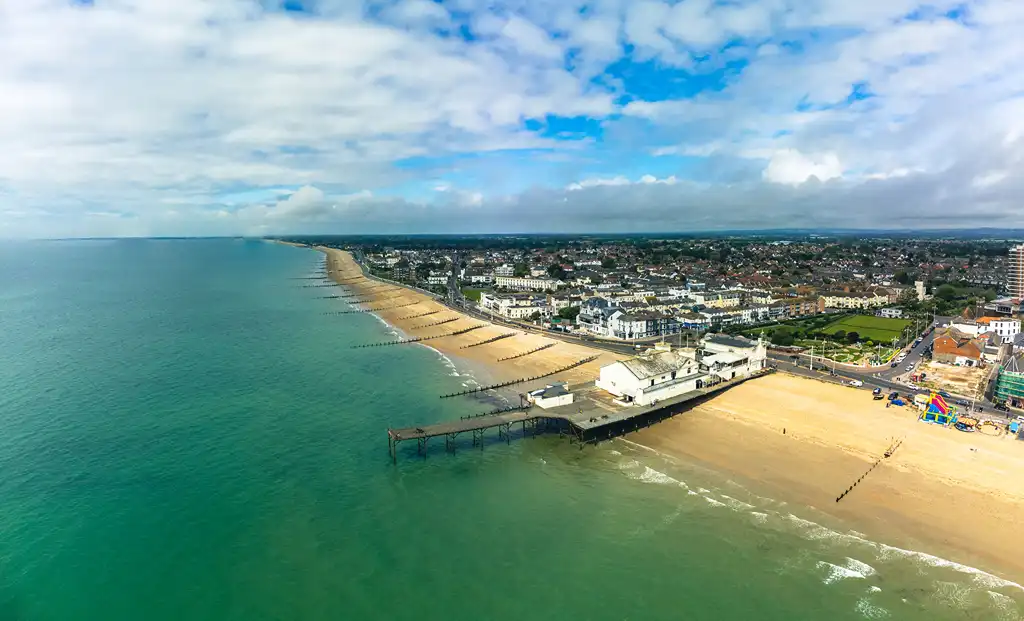
Areas We Cover
We provide leisure centre boiler maintenance and pool plant room heating services across the South of England, including:
- Dorset (Bournemouth, Poole, Dorchester, Weymouth)
- Hampshire (Southampton, Winchester, Portsmouth, Basingstoke)
- Wiltshire (Salisbury, Swindon, Chippenham)
- East and West Sussex
- Surrey
- Parts of Devon
See our full areas we cover page for more detail on where we operate.
Get in Touch
To arrange a site survey or speak to our commercial team about a leisure centre heating contract, call 01202 745189 or visit our contact page. A site audit covers a full plant assessment, a compliance gap check against current requirements, and a review of your existing specification, giving you a clear picture of where things stand before any work is agreed.
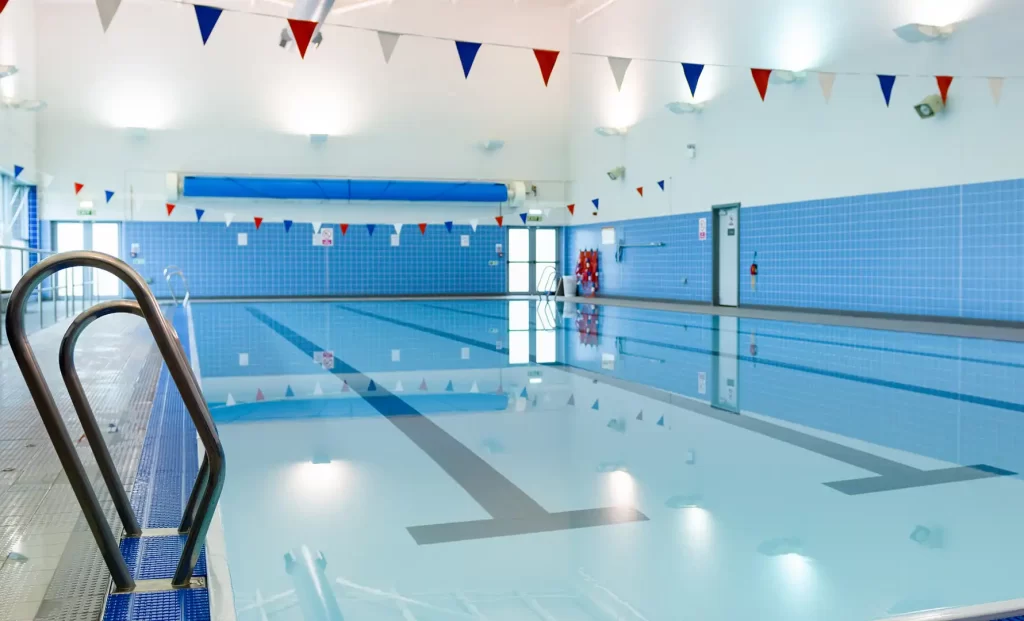
Frequently Asked Questions
Costs vary by facility size, plant complexity, and visit frequency, so we price each contract individually rather than quoting a flat rate. A site assessment lets us scope the plant accurately before proposing a schedule and cost. Get in touch for a site audit and we’ll provide a tailored quote based on what your facility actually needs.
No. Planned visits are scheduled around your operating hours, working with pool timetables, class schedules, and quiet periods rather than against them. We agree the visit calendar with you in advance, so servicing happens without affecting member access or forcing session cancellations.
We can review your current arrangement and plan a handover date that aligns with your existing contract’s end, so there’s no overlap or gap in cover. A transition assessment lets us understand the plant’s history before we take over, keeping compliance records continuous throughout the switch.
Timescales depend on scope, but a typical installation runs from initial site survey and system design through to commissioning over several weeks, with phased work where possible to limit disruption. We’ll give you a clear programme during the site audit, based on your specific plant and access constraints.
The 2-to-4-hour emergency response applies to registered contract clients. This ensures facilities with a planned maintenance agreement in place get priority attendance when something goes wrong outside a scheduled visit. Non-contract callouts are still handled, though response times and terms may differ.
Yes. We work with operators managing several facilities and can coordinate servicing schedules, compliance documentation, and reporting across a portfolio, giving you one point of contact rather than separate arrangements per site. This is particularly useful for local authority leisure trusts overseeing multiple locations.
Occupancy-responsive BMS controls typically reduce energy use by preventing plant from running at a fixed output during quiet periods, though savings depend on your current system and usage patterns. We can review your existing setup during a site audit and outline realistic expectations before any upgrade is agreed.
Contract terms are agreed based on your facility’s needs rather than a fixed minimum. Some operators prefer rolling annual agreements, others align contracts with budget or governance cycles. We’ll discuss what works for your organisation during the initial conversation, with no obligation to commit before that.