


Care Home Boiler Efficiency
Maximise Heating Performance & Reduce Running Costs
Get in touch
Get in touch with us today, and we’ll help to find the right solution for you. We aim to respond to all contact submissions within 48 hours.


A Smarter Approach to Care Home Heating Efficiency
Heating systems in care homes need to deliver more than warmth. They need to provide stable comfort for residents and support day-to-day operations without driving up avoidable costs. Improving care home heating efficiency helps operators reduce waste, manage budgets more effectively, and keep heating systems running reliably throughout the building. Efficiency losses are often gradual, with boilers using more fuel and running for longer before the problem becomes obvious.
Whether you manage one home or several, Asbury Heating helps care providers take a practical, informed approach to boiler performance.
Why Boiler Efficiency Matters in Care Homes
In a care home, heating demand is rarely light or occasional. Bedrooms, communal areas, and care spaces all need dependable temperatures throughout the day and night. That means even a small drop in boiler efficiency can have a noticeable effect over time.
When boilers become less efficient, they use more fuel to produce the same level of heat. Systems may run for longer, respond more slowly, and place more strain on plant equipment. For care home operators, this can lead to higher energy spend, less predictable performance, greater disruption risk during colder periods, and greater pressure to maintain safe, compliant building conditions.
Good boiler efficiency supports more than cost control. It also helps maintain resident comfort, improves operational reliability, and supports a more proactive approach to building management.

How to Monitor Care Home Heating Efficiency
Improving heating system optimisation in care homes starts with understanding how the system is performing now. Efficiency issues do not always appear as sudden failures. In many cases, they show up gradually through rising fuel use, inconsistent heating, or changing boiler behaviour. For example, longer boiler runtimes, more frequent cycling, or uneven temperatures across the building can all point to declining efficiency.
Facilities teams should monitor a range of practical indicators, including:
- Fuel consumption against heating demand.
- Boiler runtime and cycling patterns.
- Temperature consistency across the building.
- Servicing history and recurring faults.
- Flow and return temperatures within the heating circuit.
These checks help identify where performance may be slipping. Many operators also use remote monitoring or building management systems to spot issues earlier. They also make it easier to benchmark performance over time or across different homes, so inefficiencies can be spotted before they become expensive problems.
For operators managing several homes across Dorset, Hampshire, Wiltshire, Devon, Somerset, or West Sussex, regular monitoring can also provide clearer visibility across the estate.

Five Star Reviews
We’re rated five star by our customers on Google. Check out the testimonials from some of our incredible customers by clicking the button below.
How to Improve Boiler Performance & Reduce Energy Costs
There are several practical ways to improve boiler efficiency and reduce energy costs in a care home. In most cases, the best results come from a combination of planned maintenance, correct system settings, and timely upgrades where needed.
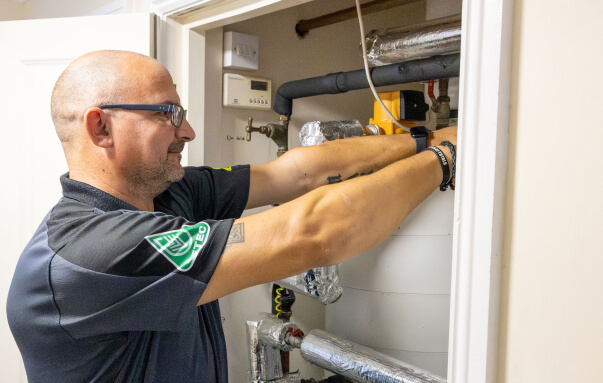
Routine boiler maintenance for care homes helps preserve combustion performance, identify wear early, and reduce the likelihood of avoidable breakdowns. It also gives engineers the opportunity to spot issues that may affect efficiency, such as poor controls, uneven heat distribution, or components that are beginning to underperform.
A planned approach is typically more effective than waiting for faults to develop, as it keeps servicing on schedule, prevents unexpected breakdowns, and ensures reliable heating for residents year-round.

Efficiency is also influenced by how well the wider heating system is set up. Lower flow temperatures, where the system design allows, can help modern boilers operate more efficiently. Hydraulic balancing helps ensure heat is distributed more evenly. Demand-responsive controls can reduce unnecessary energy use.
In some cases, an older plant may no longer deliver the efficiency or control a care home needs. Upgrading ageing equipment can improve heating performance, reduce waste, and provide better long-term reliability.
The Value of Multi-Site Heating Oversight
Care groups operating multiple homes often see wide variation in energy use and heating reliability between sites. Differences in building age, system design, and maintenance history often contribute to that variation.
A structured multi-site approach helps operators move away from reactive repairs and towards planned maintenance and consistent oversight. It becomes easier to identify underperforming systems, prioritise action, and maintain common servicing standards across the portfolio. This is where ongoing support can add real value.
CareGuard™ helps care providers bring together planned servicing, coordinated maintenance, and ongoing visibility across their heating systems. For groups managing several properties, that means better consistency, earlier intervention, and more confident decision-making.
See our Colten Care case study to learn how structured support helps care groups manage heating and maintenance more consistently.

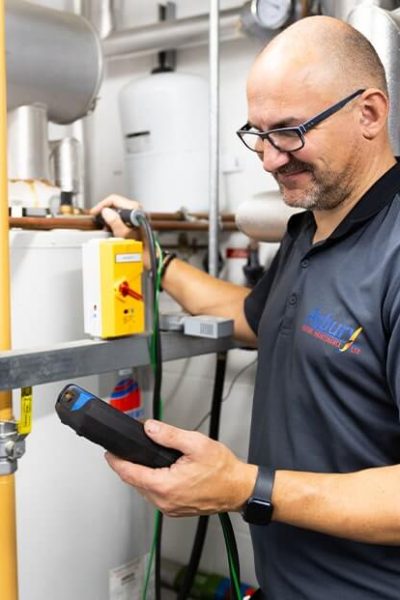
Speak to Asbury About Care Home Heating Efficiency
If your current heating setup is leading to rising costs, inconsistent performance, or too many reactive repairs, a more structured approach can help you move towards better efficiency, stronger reliability, and greater control across your care home estate.
Asbury Heatingsupports care home operators with practical heating expertise, planned maintenance, and long-term system support. We understand the pressures care providers face, such as maintaining resident comfort, controlling costs, and keeping essential services dependable across one site or many.
Call 01202 745189 or use our online form to improve heating efficiency across your care homes.