If you own or manage a commercial property, you may already be asking yourself: do I need a legionella certificate, or is a documented risk assessment enough? The honest answer is that there is no single “certificate” in UK law, but there is a legal duty to assess and control the risk.
Understanding what happens during a legionella risk assessment takes the guesswork out of that duty, so you know exactly what an assessor will look at, what they will test, and what you will be left holding once they leave site.
What Happens During a Legionella Risk Assessment?
At its core, what happens during a legionella risk assessment is a structured look at your building’s water systems to find where legionella bacteria could grow and how someone could be exposed to it. It is not a quick glance at a boiler or a single tap. A proper legionella risk assessment process examines the whole system: hot and cold water services, storage tanks, pipework, and any outlet that produces a fine spray or mist.
The assessor is checking for the conditions bacteria need to multiply, such as water sitting between 20°C and 45°C, stagnant or rarely used sections of pipe, and any build-up of sludge, scale or biofilm. This is why a commercial property legionella risk assessment always looks beyond the obvious. Redundant pipework, little-used showers and poorly insulated tanks can all quietly create risk even in a building that otherwise looks well maintained. The next stage is where that inspection begins.
Legionella Site Survey and Water System Mapping
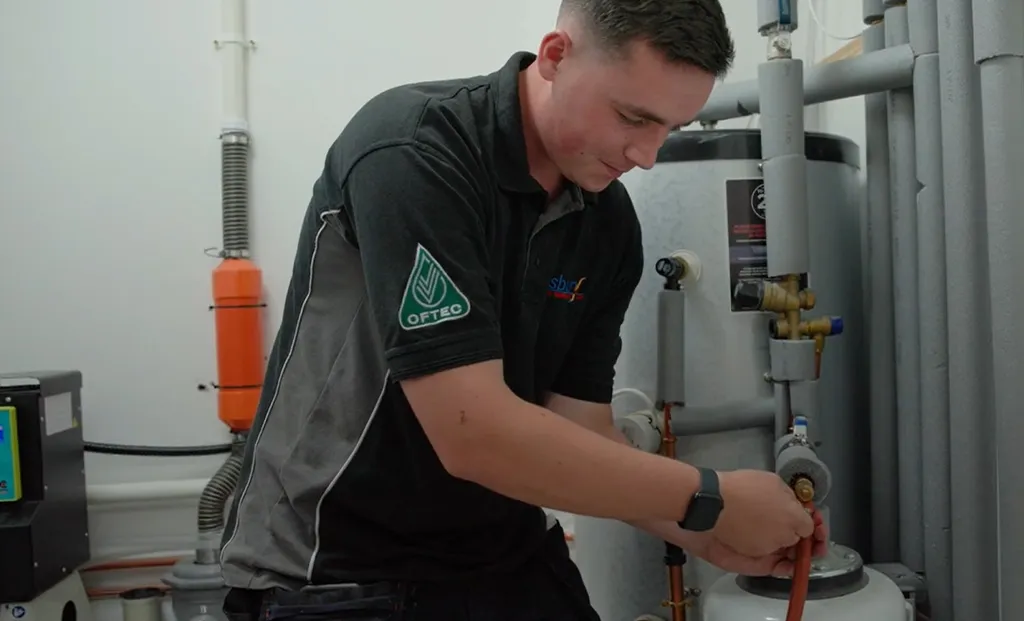
Every legionella site survey procedure starts with a walk-through of the premises. The assessor moves through the building identifying every piece of plant connected to the water systems, from calorifiers and cold-water tanks to the pipework that links them together. This is where water system mapping happens: building a clear picture of how water moves through your property, where it is stored, and where it might sit still for longer than it should.
The legionella risk assessment steps at this point are largely observational. The assessor notes tank locations, checks insulation and lids, and traces pipe runs to spot dead legs, which are sections of pipe that see little or no water flow. They will also record how water systems are supplied and circulated, since a system with poor circulation is far more likely to develop cold spots where bacteria can establish themselves. This mapping exercise forms the backbone of everything that follows, because you cannot properly assess risk in a system you have not first understood.
Temperature Checks and Water Storage Tank Inspection
With the layout mapped, the assessor moves into hands-on testing. This is arguably the most practical part of what happens during a legionella risk assessment, since temperature is one of the clearest indicators of risk. Hot water should be stored hot and cold water should stay cold. Anything sitting in the growth range for extended periods needs closer attention.
Typical checks at this stage include:
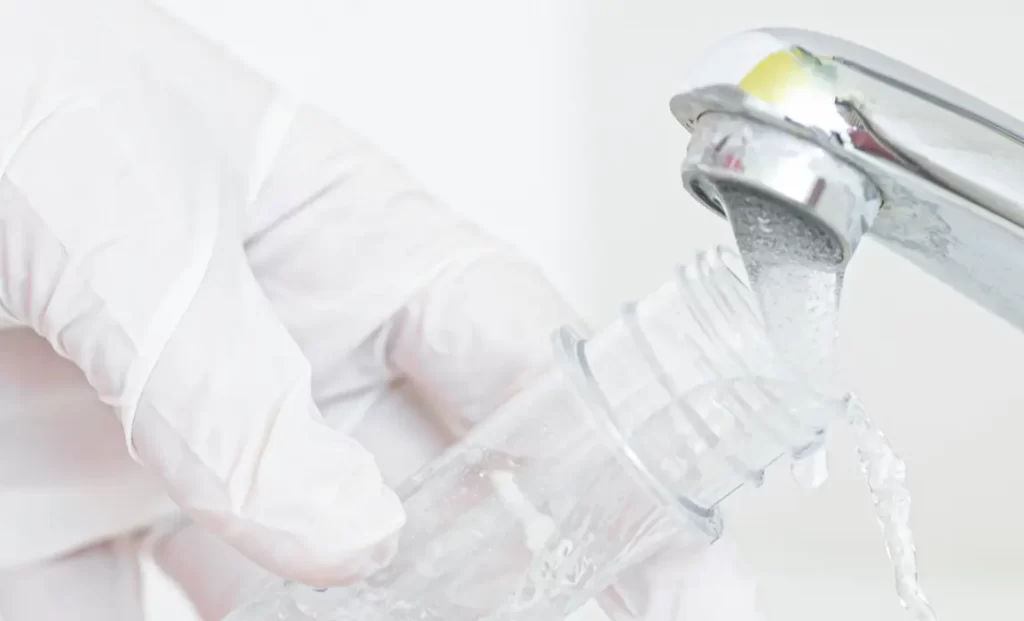
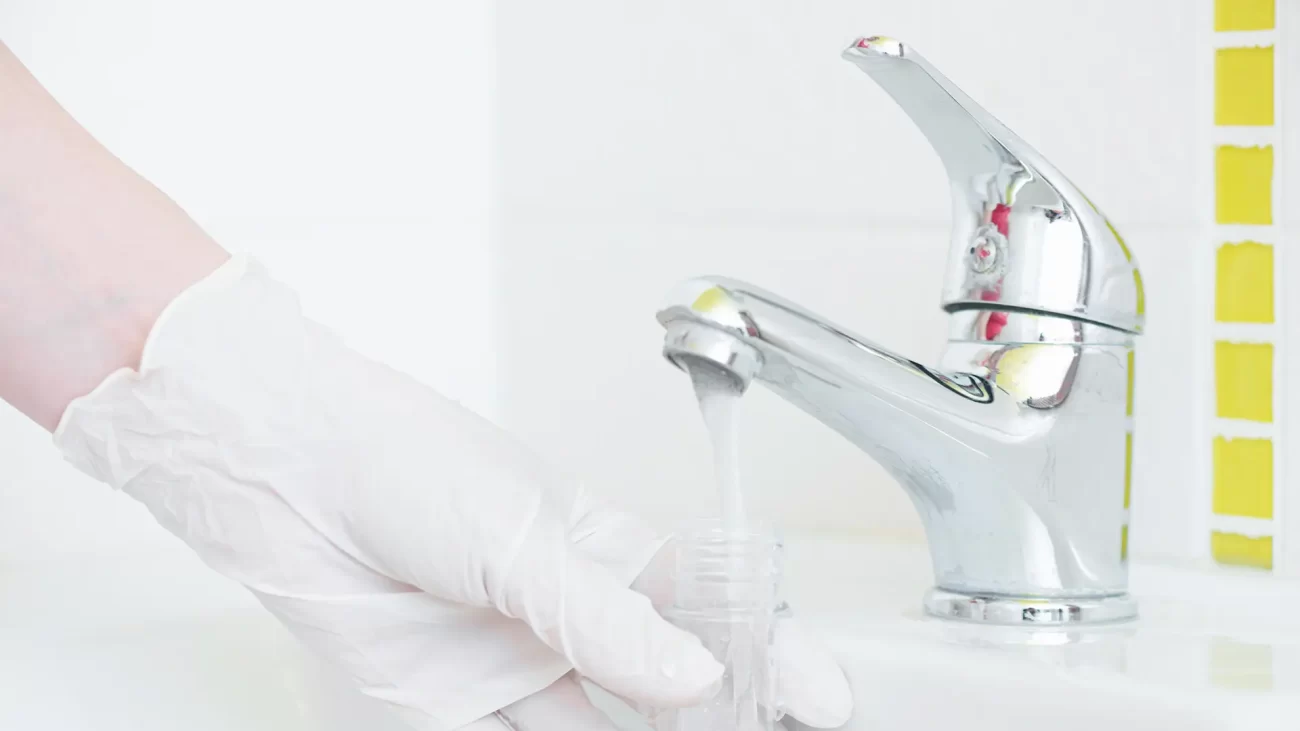
Temperature Checks at Outlets: Measuring hot and cold-water temperatures at taps and showers to confirm they fall outside the range bacteria favour.
Water Storage Tank Inspection: Checking tank lids, insulation, cleanliness and general condition, since an open or poorly maintained tank invites contamination.
Calorifier Legionella Inspection: Confirming hot water storage temperature and checking for sediment build-up inside the vessel.
Visual Checks: Checking for scale, rust, sludge or organic matter anywhere in the system that could shelter bacteria.
Each of these checks feeds directly into the risk judgement the assessor will make later, so accuracy here matters more than speed.
Identifying Aerosol Risk and Vulnerable Occupants
Temperature and stagnation explain where bacteria might grow, but exposure is about how people encounter that water. Legionella spreads through fine airborne droplets, so the assessor turns their attention to anything capable of producing an aerosol.
Common points reviewed here include:
Legionella Aerosol Risk Sources: Showers, spray taps, humidifiers and any equipment that atomises water into a breathable mist.
Occupant Vulnerability: Whether the building houses people who are older, unwell or have weakened immune systems, since they face a higher risk from exposure.
Frequency of Use: Outlets used rarely are more likely to harbour stagnant water that then gets aerosolised the next time someone turns them on.
Proximity: How close vulnerable occupants are likely to be to higher-risk outlets during normal use of the building.
This is effectively a legionella assessment checklist applied to people rather than pipework, and it is what allows the assessor to judge not just where risk exists, but how serious the consequences of that risk would be.
What's in the Legionella Risk Assessment Report
Once the survey, testing and risk judgement are complete, everything is brought together in a risk assessment report. This document is not just a formality. It records management responsibilities, describes the water systems in detail, and sets out the significant risks identified during the visit.
Crucially, the report also details any remedial actions needed, whether that means removing a dead leg, adjusting a calorifier’s temperature setting, or introducing a flushing regime for a rarely used outlet. For more complex sites, the report may include a schematic drawing built from the earlier water system mapping work, along with an asset list covering tanks, pumps and outlets.
Under ACOP L8, this documentation is not an optional extra detail. It is the evidence that demonstrates you have met your legal duty, and it becomes the reference point for every review that follows.
Duty Holder Responsibilities Under ACOP L8
Responsibility for legionella control sits firmly with the duty holder, which is usually the employer, owner or person in control of the premises. This is one part of what happens during a legionella risk assessment that catches some property owners off guard: even if you bring in a competent contractor to carry out the assessment, the legal duty to ensure it happens still rests with you.
Duty holder legionella responsibilities are set out under health and safety law, with COSHH and HSE legionella guidance L8 forming the main framework UK businesses work to. ACOP L8 makes clear that the assessment should be reviewed regularly, particularly if the water system changes, the building’s use changes, or there is any reason to think the original findings no longer hold. Remedial actions identified in the report need to be tracked through to completion, not filed away and forgotten, since an assessment with no follow-through offers little real protection.
Putting a Legionella Assessment on Your Maintenance Calendar
At Asbury Heating, we carry out legionella risk assessments as part of a wider approach to compliance and planned maintenance, so the assessment, the risk assessment report and any follow-up work sit within one coordinated service rather than a list of separate contractors to manage.
If you want the confidence that your water systems are properly assessed and documented, our team can help. Call us on 01202 745189 or use our contact form to arrange a legionella risk assessment for your property.
So how often should a legionella risk assessment be carried out? At least every two years as a general rule, though many buildings need reviews far sooner.
The duty holder for Legionella risk in offices must appoint a competent person to assess, control and document the risk, as required under COSHH UK law.