How Often Should a Legionella Risk Assessment Be Carried Out?
How often should a legionella risk assessment be carried out? As a rule, at least every two years. But many commercial systems need checking sooner than that. There is no single fixed interval for every building, since each one carries its own risks. What matters most is reviewing the assessment whenever your water system, or how it is used, changes. Do not just wait for a date on the calendar to come around.
For landlords, facilities managers and other duty holders, this is the first step towards real compliance, not just a box ticking exercise. We start this blog by looking at what a legionella risk assessment actually involves and why it matters.
What Is a Legionella Risk Assessment and Why It Matters
A legionella risk assessment is a check of a building’s water systems. It finds where legionella bacteria could grow, and how people might come into contact with it. This covers hot and cold water, storage tanks, pipework and any spot where water sits still or gets warm, because these are conditions bacteria likes. Risk assessments matter because legionella exposure can cause serious lung illness if left unchecked.
The good news is that this risk is easy to prevent with the right water safety steps. For duty holders, the assessment is the foundation of a wider legal duty. It is not just a certificate to file away and forget. You can read more about what happens during a legionella risk assessment if you want the full detail on what our engineers check.
How Often Should a Legionella Risk Assessment Be Carried Out?
The Health and Safety Executive (HSE) expects existing assessments to be reviewed at least every two years. But this is a limit, not a target to aim for. In practice, many buildings need checks more often, especially those with complex systems or lots of people using them each day.
Bear in mind that the right timing depends on how the system is used, and on how much has changed since the last review. There is no single rule that fits every property, big or small. That is why we cover both the routine schedule most systems follow, and the events that should prompt an earlier look.
Routine Review Periods Under ACOP L8 and HSG274
This is the Approved Code of Practice for controlling legionella, which sets the two-year maximum for reviewing an existing assessment. The supporting HSE guidance adds practical detail on how to carry that review out properly, for different types of water system and building. Together, they show what a genuinely compliant review schedule looks like, whatever size of site you manage.
Assessing Low-Risk vs High-Risk Systems
Not every system carries the same level of risk. A small office with a simple hot water system may be fine within the two-year window. A larger building with cooling towers or complex pipework may need checks every year. Good risk management means matching the review timing to the system in front of you, not applying the same timescale to everything.
What Triggers an Early Reassessment
Waiting for the two-year mark is not always enough, and some changes call for a reassessment sooner. So, how often should a legionella risk assessment be carried out when things change mid cycle? As soon as the change happens, not at the next scheduled review.
Common triggers include:
Changes to the Water System: New pipework or a layout change can create still, stagnant spots.
A Change in Building Use: More people using a building, or empty parts of it, changes the risk.
Low Water Usage: Water left unused, even briefly, lets bacteria build up.
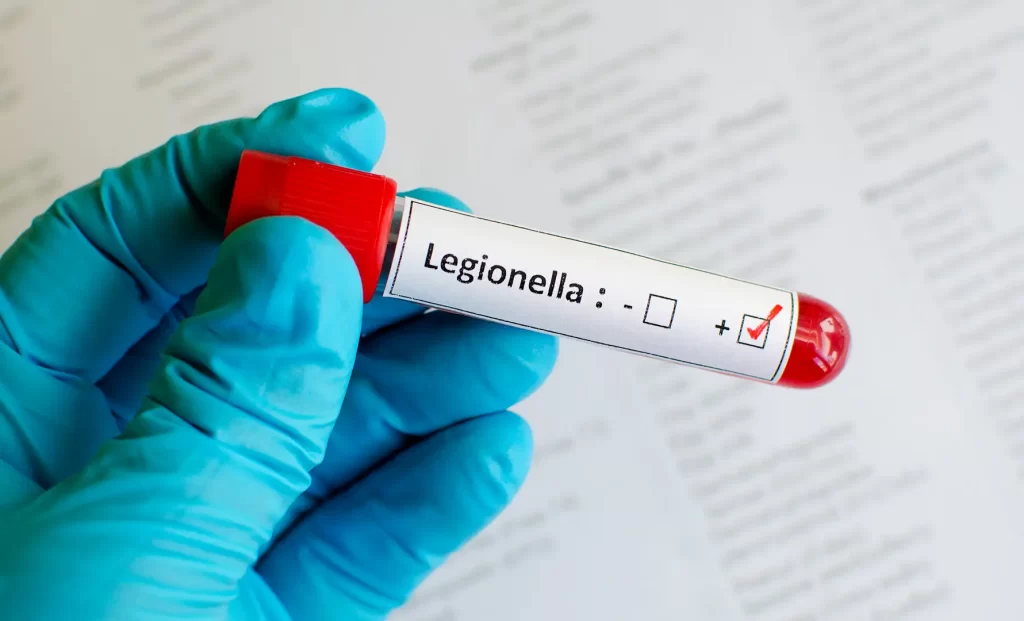
New Risk Information: A positive test or new HSE guidance both call for a fresh look.
A Change of Responsible Person: Check the assessment is still being followed when management changes.
Building an Effective Compliance Review Process
A one-off assessment is only the starting point. Treating legionella control as an ongoing job means clear records, set intervals, and a named person who owns it. In practice, that means setting calendar reminders well ahead of the two-year deadline, so nothing sneaks up on you.
It means logging any changes to the system as they happen, and keeping the paperwork tidy so it can be shown quickly to an inspector or insurer. It is worth checking this process itself now and then too, to make sure nothing has quietly slipped since it was first set up.
Recording and Documenting Your Findings
Every assessment, test and fix should be written down and kept on file, along with the date and who did it. Good records show that water safety has been actively managed, not just assumed. This matters for your own peace of mind as much as any outside inspection. It lets you see at a glance what has been checked, what was found, and exactly when the next review is due.
The Risks of Skipping or Delaying Reassessment
Delaying a reassessment rarely saves time in the long run. In fact, it can end up costing far more. Poor risk management can lead to problems well beyond the cost of the assessment itself, and falling behind on ACOP L8 duties also leaves duty holders exposed if something does go wrong.
The main risks of delay include:
Health Risk to Occupants: An outdated assessment may miss conditions that let bacteria grow.
Non-Compliance and Legal Exposure: Duty holders must manage this risk by law, or face enforcement action.
Higher Costs Down the Line: Fixing a legionella problem later costs more than routine prevention.
Insurance Complications: Insurers expect up to date compliance records, and gaps can affect a claim.
How Asbury Heating Supports Ongoing Compliance and Peace of Mind
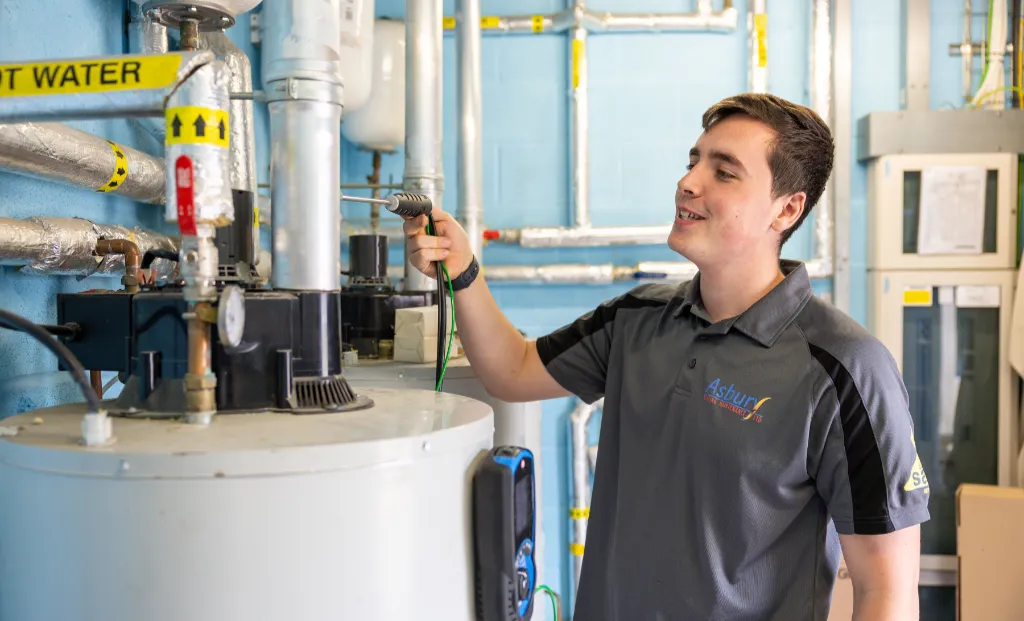
Compliance review sits alongside our boiler servicing and plant room work, so we can flag an issue during a routine visit rather than treating them as separate jobs. This joined up approach fits the HSG274 principle that legionella control works best as an ongoing job, not a one-off task.
Book a Legionella Risk Assessment with Asbury Heating
So, how often should a legionella risk assessment be carried out? Know this only helps if the reviews actually happen on time. If your last assessment is nearing two years old, or a recent change means it needs a fresh look sooner, our team can help you get back on track.
We are SafeContractor accredited, Gas Safe registered and F-Gas registered. Our engineers know the rules, and the practical realities of your site. Call us on 01202 745189 or fill in our contact form to arrange a legionella risk assessment.
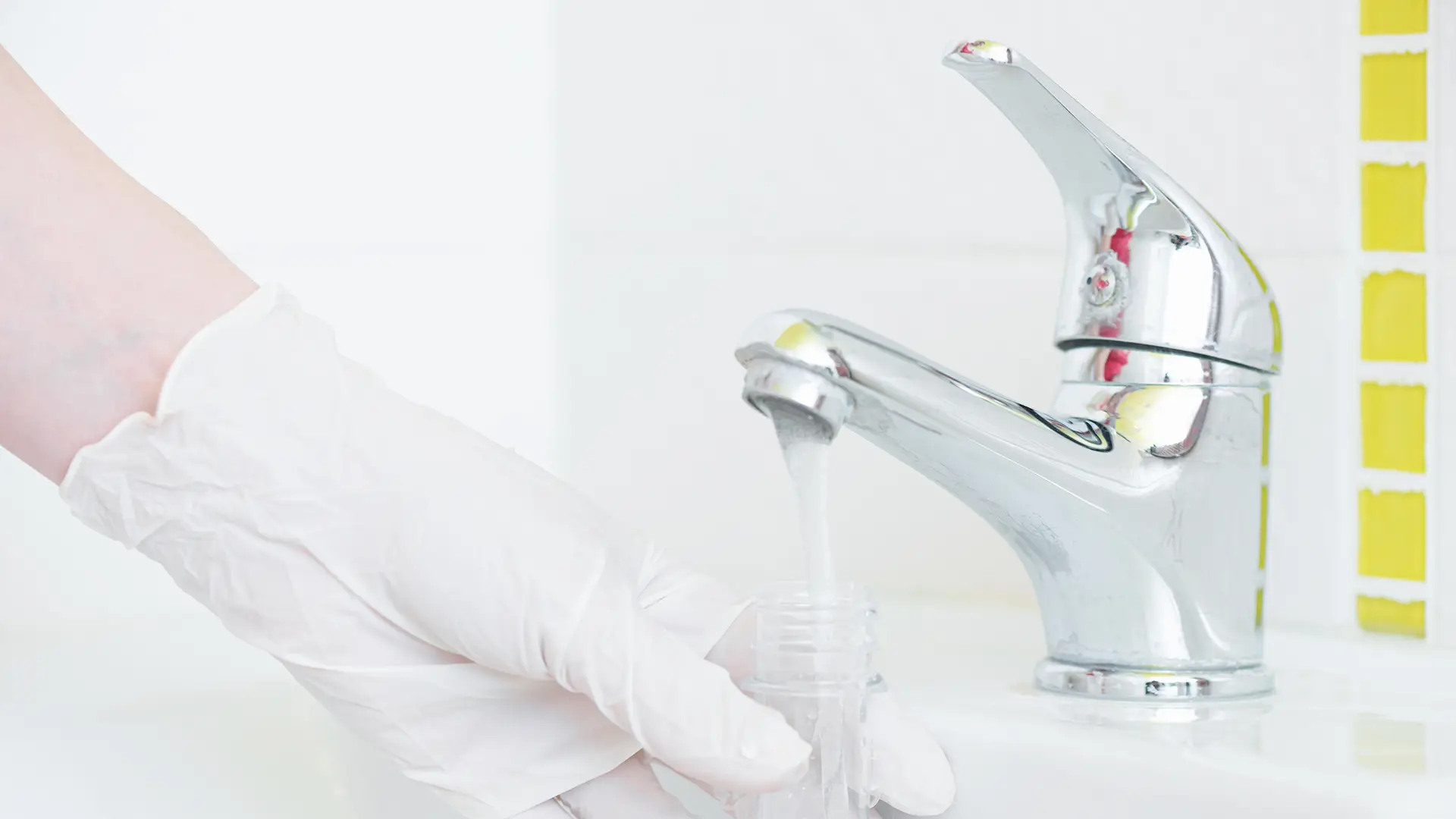
A legionella risk assessment is a structured check of your water systems, covering the site survey, temperature checks, tank inspection and a full report.
The duty holder for Legionella risk in offices must appoint a competent person to assess, control and document the risk, as required under COSHH UK law.