When Does a Commercial Building Need a Cold Water Booster Pump?
Weak water pressure rarely announces itself all at once. It shows up as a slow trickle on the top floor, a shower that never quite gets going, or a kitchen tap that struggles during the lunchtime rush. For facilities managers and landlords, these small frustrations are often the first sign of a bigger issue with how water moves through the building.
In many cases, the answer is a commercial cold water booster pump, a system designed to keep pressure consistent no matter how tall the building or how demanding the daily usage. Understanding when your building needs one starts with knowing exactly what these systems do.
What Is a Commercial Cold Water Booster Pump and How Does It Work?
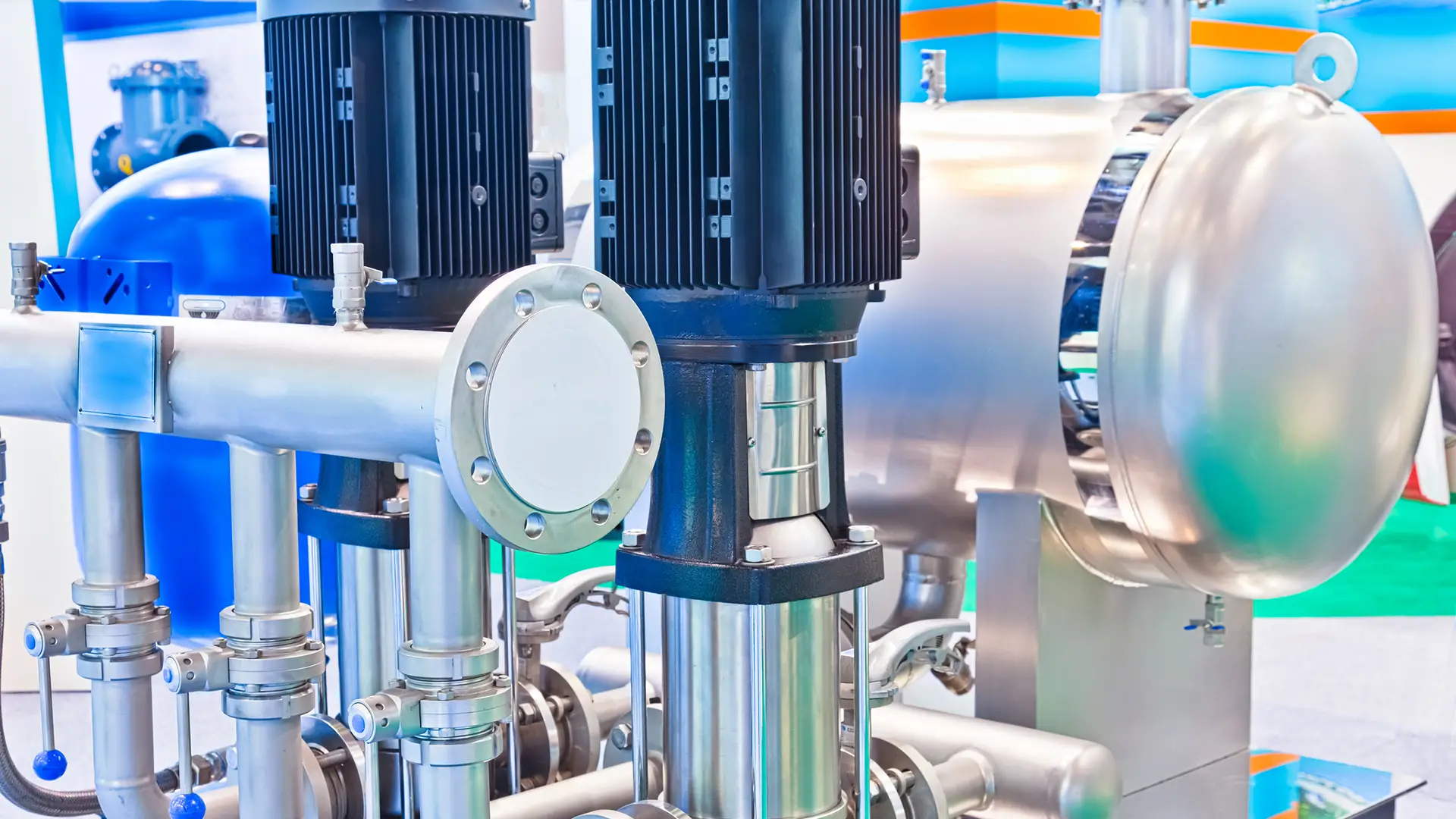
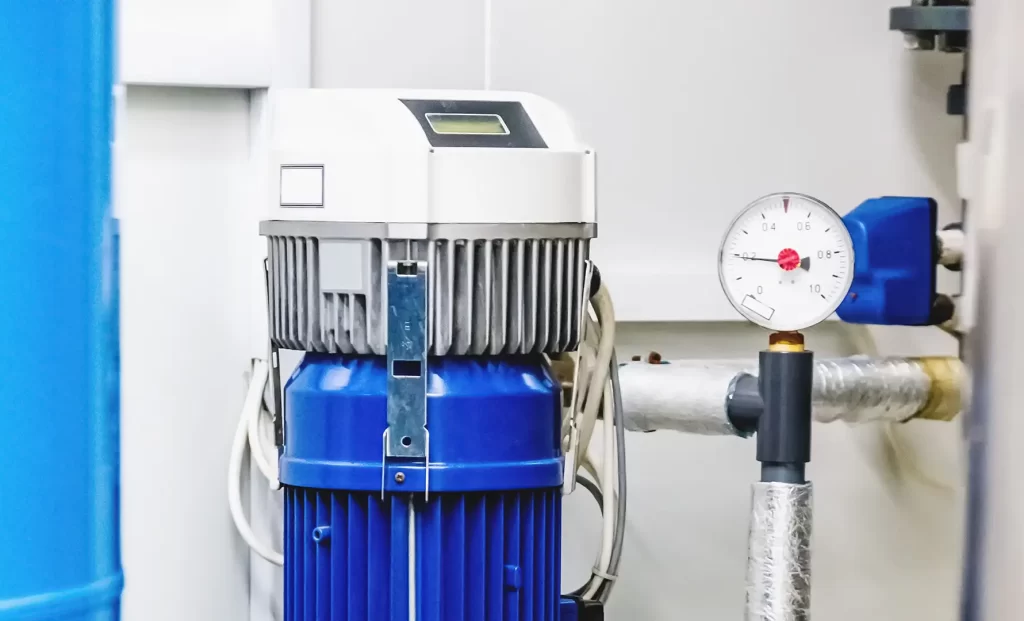
A commercial cold water booster pump is a mechanical system that increases water pressure beyond what the mains supply can provide on its own. It draws water from the incoming supply or a storage tank and uses one or more pumps, controlled by pressure sensors, to push it through the building’s pipework at a steady, reliable rate.
Most systems use variable speed drives, which adjust pump output automatically depending on demand. This means pressure stays consistent whether one tap is running or twenty. For taller buildings, or those with high daily water use such as offices, hotels or care homes, this kind of active control is often the only way to guarantee low-pressure issues do not become a daily occurrence for occupants.
The system typically includes duty and standby pumps, so if one fails, the other takes over without disruption. This redundancy is a key reason booster pumps are standard in most modern commercial plumbing installations.
Signs Your Building May Be Struggling with Low-Pressure Water
Low-pressure water rarely stays confined to one small inconvenience. It tends to spread across a building in ways that affect comfort, hygiene and day-to-day operations.
Common signs to look out for include:
Weak Flow on Upper Floors: Taps and showers noticeably lose pressure the higher up the building you go, particularly during busy periods.
Slow-Filling Outlets: Water takes longer than expected to reach taps, sinks or appliances, even when nothing else in the building is drawing supply.
Inconsistent Flow Under Load: Pressure drops noticeably when several fixtures are used at the same time, such as during a morning rush or a busy shift changeover.
Reduced Performance in Kitchens and Laundries: Low pressure can slow down equipment cycles and affect cleaning standards where consistent water flow is essential.
Compromised Hot Water Reliability: In care settings especially, this can affect washing routines and infection control standards that depend on steady supply.
If your building was designed with the mains supply alone in mind, and usage has since grown, whether through more occupants, additional floors or new equipment, a water booster pump is often the most direct way to restore consistent performance.
Common Building Types That Rely on a Water Booster Pump
Certain building types are far more likely to need mechanical assistance to maintain adequate pressure. In our experience, these tend to fall into a consistent group:
High-Rise Offices and Apartment Blocks: Height alone often exceeds what mains pressure can reliably serve above the first few floors, making a commercial cold water booster pump necessary for consistent supply throughout.
Hotels and Hospitality Venues: Simultaneous demand across guest rooms, kitchens and laundry facilities creates peaks that mains pressure alone struggles to meet.
Care Homes and Healthcare Buildings: Reliable water pressure supports hygiene, washing and compliance requirements that cannot be left to chance.
Large Retail and Industrial Units: Wide floor plans and process equipment often sit far from the mains connection point, reducing pressure by the time water reaches them.
Educational Campuses:Schools and other educational facilities have multiple buildings drawing from a shared supply frequently, so need boosting to keep pressure even across the site.
If your building fits any of these categories and pressure complaints are becoming familiar, it is worth reviewing your current setup.
How Cold Water Storage and Pump Installation Work Together
Booster pumps rarely work in isolation. Most commercial systems pair the pump with a cold water storage tank, which holds a reserve supply that the pump draws from and pressurises as needed. This combination smooths out fluctuations in mains pressure and provides a buffer during periods of exceptionally high demand.
The size and layout of the storage tank depends on the building’s expected usage, along with local water authority requirements. Pump installation is planned around this capacity, ensuring the pump can maintain pressure at peak times without drawing more from storage than the tank can safely replenish.
Getting this balance right at the design stage prevents two common problems: pumps that are undersized for demand, and storage tanks that sit larger than necessary, taking up valuable plant room space. A properly specified system should feel invisible to building occupants, simply delivering the pressure they expect every time a tap is opened.
What to Consider Before Installation
Before any pump installation goes ahead, a few practical factors need to be worked through to make sure the system matches the building’s actual needs rather than a generic specification:
Peak Demand: Understanding how many outlets could realistically be in use at once helps determine the right pump capacity, avoiding a system that is either underpowered or unnecessarily large.
Available Space: Plant rooms vary considerably in size, and cold water storage tanks in particular need adequate space plus safe access for maintenance and inspection.
Water Authority Regulations: Some water suppliers set specific requirements around backflow prevention and storage, which need to be factored in during the design of commercial plumbing systems.
Energy Efficiency: Modern pumps with variable speed control use considerably less energy than older constant-speed systems, which is worth factoring into any comparison of options.
Ongoing Maintenance Access: A commercial cold water booster pump needs periodic servicing, so installation should allow for straightforward access without disrupting the wider building.
Working through these points before installation begins helps avoid costly reconfiguration later and ensures the system performs as expected from day one.
Choosing the Right Commercial Plumbing Partner
Specifying and installing a commercial cold water booster pump is not a job to take on with limited experience. Getting the sizing wrong, missing a regulatory requirement or poorly positioning the storage tank can all lead to problems that are expensive to correct once the system is in place.
Whether you are dealing with persistent low-pressure complaints or planning a new development from the ground up, working with a contractor who understands both the mechanical detail and the regulatory framework makes the difference between a system that performs and one that causes ongoing headaches.
Getting Your Water Pressure Sorted, Properly
If your building is showing signs of low pressure, or you are planning a project that will need reliable water supply from day one, we would be glad to talk it through. Give our team a call on 01202 745189 or get in touch through our contact form, and we will help you find the right solution for your site.
The causes of low water pressure in commercial buildings are narrowed pipes, regulators set too low, a struggling pump or demand that outgrows the system.