What Happens If a Commercial Gas Tightness Test Fails?
A failed commercial gas tightness test means one thing straight away: the system is isolated and made safe before anything else happens. That said, it’s rarely the crisis it first feels like. Failures happen more often than most facilities managers expect, and in most cases they’re easy enough to put right once the right steps follow in the right order.
What matters most afterwards is knowing what the result means, what has to happen straight away, and how you get back to a valid certificate with the least disruption to your building. Before any of that, though, it helps to understand what the test is actually checking for.
What a Commercial Gas Tightness Test Actually Checks
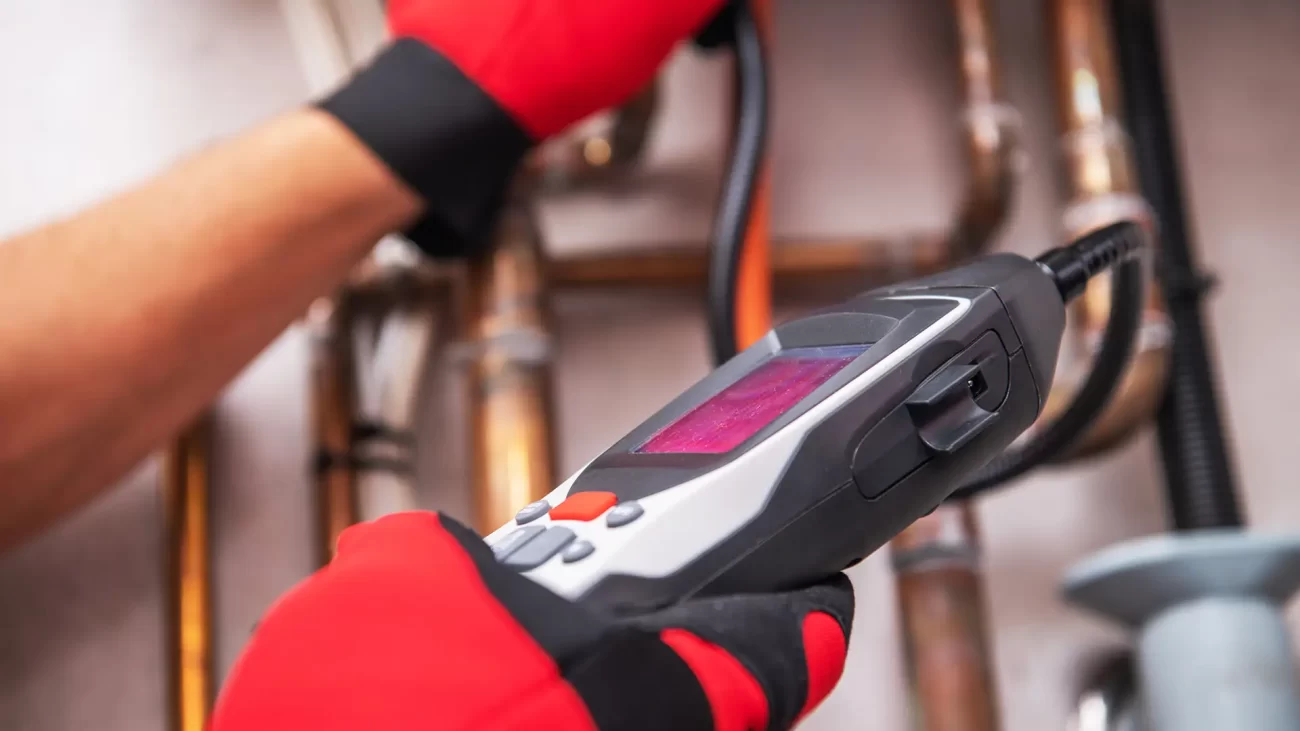
A gas tightness test, sometimes called a pressure test, checks whether a gas installation holds pressure as it should, or whether pressure is being lost somewhere along the pipework. To find this out, engineers isolate the relevant section, pressurise it to a set level, then watch closely how it behaves over a fixed period, all in line with IGEM UP 1A gas tightness testing standards. These set out how commercial installations of this kind should be tested and assessed, and they’re the benchmark every competent engineer works to.
A system that holds pressure within the permitted tolerance passes, and that result feeds directly into your commercial gas safety certificate. One that doesn’t hold pressure has failed, which is exactly what we’ll cover next, because knowing the difference between a small, acceptable dip and a genuine failed commercial gas tightness test changes everything that follows.
What Happens If a Commercial Gas Tightness Test Fails
So, what happens if gas tightness test fails on your commercial premises? The engineer carrying out the test has a legal duty to act immediately, rather than simply noting the result on a form and moving on. The affected supply is isolated at the point of failure, meaning gas is prevented from flowing to the part of the system where the loss of pressure was detected, and this happens before the engineer leaves site, not at some more convenient point later on.
None of this is designed to catch anyone out or cause unnecessary alarm; it exists because a system that can’t hold pressure may be allowing gas to escape somewhere it shouldn’t, and that risk needs addressing properly before the installation is used again. Once isolation has taken place, the next question is naturally what that means for your building day to day.
Immediate Isolation and Safety Steps After a Failure
Isolation sounds more disruptive than it usually turns out to be, because in most commercial buildings only the affected pipework or appliance needs to come offline, not the whole gas supply. Even so, the safety steps that follow a failed commercial gas tightness test tend to run in a consistent order, whatever the building:
Isolation of the Affected Section: Gas is shut off to the specific pipework or appliance where pressure loss was found, not the whole installation.
Ventilation and Access Checks: If there’s any suspicion of a gas leak, the area is ventilated and access restricted until confirmed safe.
Labelling and Warning Notices: Isolated sections are clearly labelled, so nobody reconnects them by mistake.
Verbal and Written Notification: Whoever is responsible for the building is told what’s happened before the engineer leaves.
Once the site is safe, attention turns to recording the failure properly.
Gas Safe Notification and Failure Records
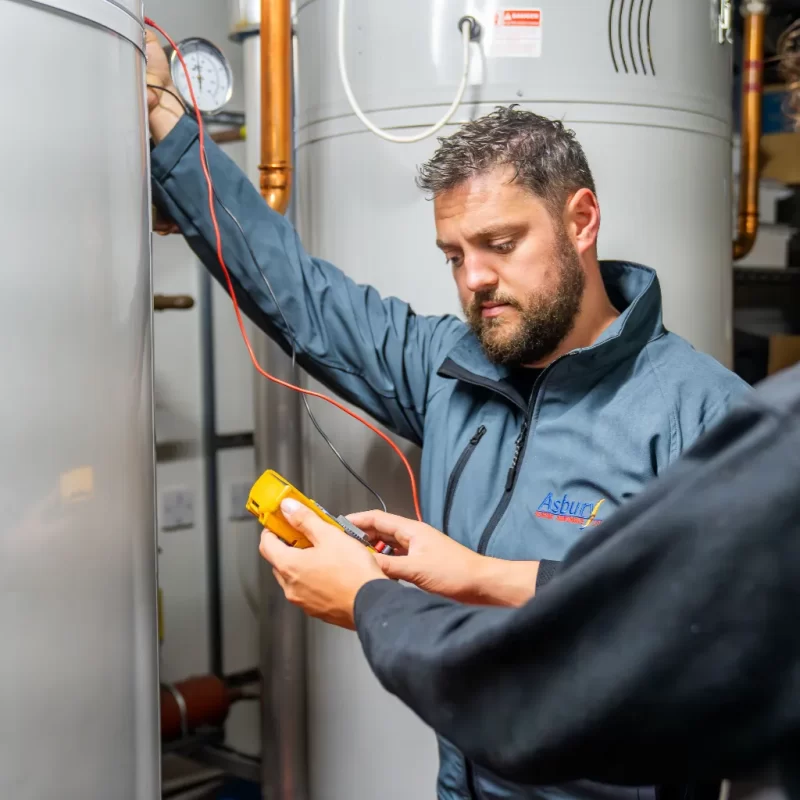
Every failed commercial gas tightness test has to be documented, which is where Gas Safe becomes central to the process, rather than just a name that appears on paperwork. A Gas Safe registered engineer is required to complete a Gas Safe commercial tightness test failure notice, recording the details of the failure, the isolation carried out, and the reason the system didn’t meet the required standard on the day.
Because this notice becomes part of the building’s ongoing compliance history, it needs to be accurate and kept safely on file alongside previous test and servicing records. It also gives whoever manages the building a clear written account of exactly what needs fixing, rather than a verbal summary that’s easy to forget once the pressure of the moment has passed. With the failure properly recorded, the practical work of putting things right can begin.
Remedial Works and Retesting Your System
The remedial works needed depend entirely on where the pressure loss was traced to, and this is usually the stage where a good engineer earns their fee. A loose joint might need nothing more than resealing, while older pipework showing signs of corrosion may need replacing outright.
Either way, the affected section typically stays under the commercial gas safety isolation procedure until the repair has been checked and verified:
Diagnosing the Fault: Tracing the exact point of pressure loss, rather than replacing pipework speculatively.
Carrying out the Repair: Resealing joints, tightening fittings, or replacing sections depending on the diagnosis.
Retesting the System: Once repairs are complete, the test is repeated to confirm the installation now holds pressure correctly.
Reinstating the Supply: Gas is only reconnected once retesting confirms a pass.
Once the retest comes back clean, what’s left is largely a matter of paperwork and cost.
Certificates, Costs and Getting Back to Compliance
A successful retest allows your commercial gas safety certificate to be reissued, formally closing out the failed commercial gas tightness test and bringing the building fully back into compliance. As for commercial gas tightness test costs, these vary with the scale of the remedial works involved. A straightforward reseal is inexpensive, while extensive pipework replacement naturally costs more, though in practice most failures fall closer to the simpler end of that scale than the costly one.
It’s also worth having commercial gas leak test failure procedures written down clearly in your maintenance file, so that if a similar issue comes up again, everyone involved already knows what to expect and who’s responsible for what. That kind of preparation tends to make the next test, if there’s ever another failure, considerably less stressful to manage from start to finish.
Get Your System Back on Track with a Gas Safe Engineer
A failed test isn’t the end of the story; it’s simply the point where isolation, remedial works and retesting take over until your certificate is reissued. If you’d like a Gas Safe registered engineer to carry out testing, remedial work or a wider compliance review, call Asbury Heating on 01202 745189, or use our contact form to arrange a visit.
Getting it right first time is what keeps your certificate valid, and your building compliant, for the long term. And if you’d like to find out more about how often you should have it done, our blog on commercial gas tightness testing frequency covers this in more detail.
A commercial gas tightness test is required whenever pipework is altered, a new appliance is fitted, or a supply is reinstated, not on a fixed schedule.
A gas tightness test ensures your commercial gas system is safe, leak-free, and complies with UK regulations. See how it protects your property and people.