



Plant Room Upgrades & Lifecycle Planning
Modernise Your Plant Room with Confidence
Get in touch
Get in touch with us today, and we’ll help to find the right solution for you. We aim to respond to all contact submissions within 48 hours.
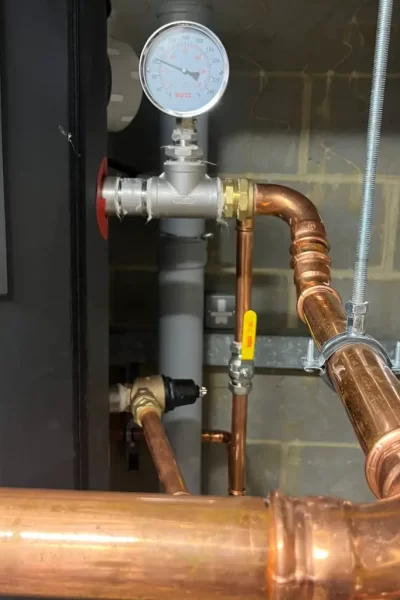
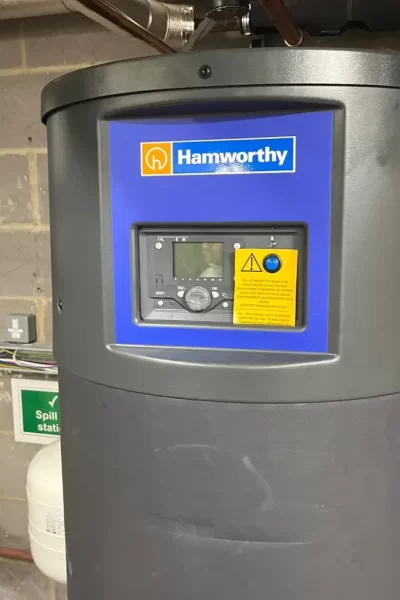
Upgrade Ageing Plant Rooms with Minimal Disruption
Heating and hot water systems are critical to the safe and comfortable operation of any care home. As boilers, pumps, and control equipment age, operators must decide whether continued repairs remain cost-effective or whether a planned upgrade will deliver better reliability and efficiency.
Care home plant room upgrades allow operators to move from reactive maintenance to structured lifecycle planning. With the right strategy, systems can be modernised in stages, capital investment can be forecast more effectively, and heating performance can remain dependable throughout the year.
For care homes across Dorset, Hampshire, Wiltshire, Devon, Somerset, and West Sussex, careful planning helps ensure plant room modernisation is delivered with minimal disruption to residents while maintaining compliance and operational continuity.
Understanding the Plant Room Lifecycle
Plant rooms support the heating and hot water systems that care homes rely on every day. Boilers, circulation pumps, storage vessels, and control systems must work together to maintain stable temperatures throughout the building.
Like all mechanical infrastructure, these components have a finite lifespan. Over time, energy efficiency gradually declines, maintenance requirements increase, and the risk of unexpected faults grows. In many care homes, heating equipment operates continuously throughout the year, which places additional strain on ageing systems.
Lifecycle planning for care homes involves regularly reviewing the condition, performance, and efficiency of plant room equipment. Regular Commercial Boiler Servicing also helps identify ageing components early and supports proactive upgrade planning. This allows facilities teams to identify ageing assets before failures occur and plan upgrades in a structured way.
A proactive approach to lifecycle planning helps care providers:
- Maintain reliable heating and hot water services.
- Improve energy efficiency and reduce operating costs.
- Manage capital investment more predictably.
- Ensure systems remain compliant with healthcare standards.
Rather than waiting for critical failures, planned plant room upgrades support long-term reliability and operational stability.


Signs Your Plant Room May Need Modernising
Ageing heating infrastructure rarely fails without warning. In many cases, there are early indicators that plant room modernisation or heating system replacement may soon be required.
Facilities managers should watch for signs such as:
- Repeated heating faults or unexpected system shutdowns.
- Increasing repair costs or frequent engineer visits.
- Difficulty sourcing parts for older boilers or components.
- Inconsistent temperatures across different areas of the building.
- Boilers operating below modern efficiency standards.
When these issues arise, they often indicate that key plant-room equipment is approaching the end of its operational lifecycle.
Modernising plant rooms before major failures occur allows care home operators to maintain consistent heating performance while avoiding the operational risks associated with ageing infrastructure.

Five Star Reviews
We’re rated five star by our customers on Google. Check out the testimonials from some of our incredible customers by clicking the button below.
Phased Planning & Capital Forecasting
Plant room upgrades do not always require a complete system replacement. In many cases, improvements can be delivered in planned stages to spread costs and minimise disruption.
Phased heating upgrades allow facilities teams to replace ageing components gradually while maintaining reliable operation of the wider system.
A typical phased approach may include:
- Replacing boilers nearing the end of their service life.
- Upgrading control systems to improve efficiency and monitoring.
- Modernising pumps and pressurisation equipment.
- Improving pipework layout or insulation.
This approach supports more effective capital forecasting, allowing operators to plan investment over several years rather than responding to unexpected failures.
For care homes, lifecycle planning ensures that heating systems evolve alongside operational needs while maintaining resident comfort and compliance.
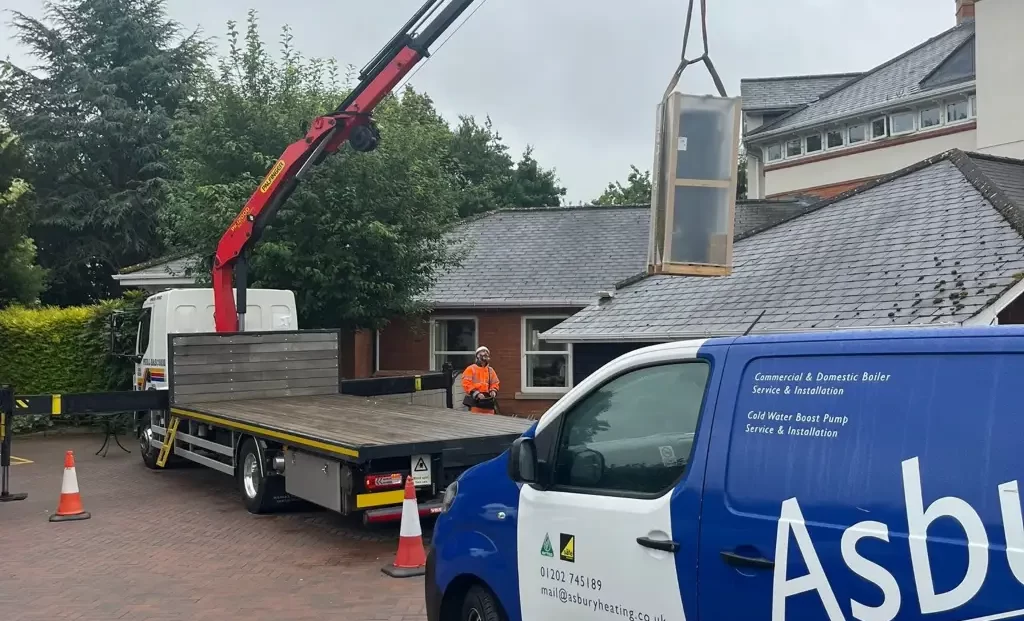

Multi-Site Standardisation for Care Home Groups
Many care home groups operate several facilities, often with plant rooms installed at different times and using different equipment. This can make it difficult for facilities teams to compare performance or manage maintenance consistently across the portfolio.
Standardising plant room infrastructure helps organisations create clearer oversight and more predictable maintenance planning.
Key benefits of multi-site standardisation include:
- Consistent heating performance across properties.
- Simplified maintenance and servicing schedules.
- Improved compliance reporting.
- Better visibility of asset condition and lifecycle status.
Building Management Systems with Remote Monitoring can also provide facilities teams with real-time visibility of heating system performance across multiple homes, helping to identify developing faults before they affect residents.
How CareGuard™ Supports Lifecycle Management
Effective lifecycle planning requires clear visibility of plant room condition, system performance, and future upgrade requirements.
CareGuard™ by Asbury Heating & Maintenance provides structured support for care home operators managing heating infrastructure across one or multiple locations.
The programme helps care providers:
- Track plant room assets and equipment condition.
- Monitor heating performance and identify developing issues.
- Plan phased plant room upgrades more effectively.
- Maintain compliance with industry and healthcare standards.
- Coordinate maintenance across multiple care homes.
By combining preventative maintenance with long-term upgrade planning, CareGuard™ supports reliable heating systems and more predictable lifecycle management.

Request a Care Home Plant Room Assessment
Moving from reactive repairs to planned improvements gives care home operators greater control over heating reliability, capital forecasting, and long-term system performance. Instead of waiting for ageing equipment to fail, a structured upgrade plan helps you identify priorities early, reduce operational risk, and maintain dependable heating and hot water for residents and staff.
Asbury Heating supports care providers with practical advice on plant room condition, upgrade priorities, and lifecycle planning. Our engineers help care homes modernise their heating infrastructure to support compliance, efficiency, and minimal disruption to day-to-day operations. You can also view an example of a recent care home heating upgrade case study to see how phased plant room improvements are delivered in operational environments.
Call 01202 745189 or use our online form to discuss your upgrade strategy.