Commercial Gas Tightness Testing Frequency Explained
Ask most duty holders when their gas system was last tightness tested, and the honest answer is often “whenever the boiler was last serviced.” That assumption causes problems. A tightness test is a separate, legally required check, triggered by specific events on the system, and missing one leaves a gap an insurer or inspector will notice.
Testing is required whenever:
A new appliance is connected to the system.
Pipework is altered, extended, or repaired.
A gas leak is suspected, and the system needs re-verifying.
Get this wrong, and it is not just a paperwork gap. It is a system operating outside the law, with cover that may not hold.
Here’s exactly when a test is triggered, and what the record should show.
How Often Must Your Gas Pipework Be Tightness Tested?
Gas tightness testing is a trigger-based obligation. Specific events require a test, regardless of when the last one was done. The Gas Safety (Installation and Use) Regulations 1998, supported by the IGEM/UP/1 industry standard for non-domestic gas installations, set out when testing must be performed [1].
For most commercial properties, the triggers are:
A new appliance is installed and connected to the system.
Pipework is extended, modified, or repaired in any way.
A gas supply is reinstated after isolation or disconnection.
Annual commercial boiler servicing may include a tightness test as part of the work. But this is good practice, not a substitute for the mandatory tests triggered by the events above.
What Counts as an Alteration That Triggers a Retest
Any work that breaks into the gas pipework or changes the installation’s configuration counts as an alteration. Replacing an appliance, adding a new gas connection, and re-routing pipework all qualify.
A service visit that does not involve pipework alteration, such as checking combustion performance or inspecting seals, does not trigger a standalone tightness test. A sound engineer will still assess whether one is advisable based on system condition.
Is a Commercial Gas Tightness Test a Legal Requirement?
A gas tightness test is a legal requirement whenever it is triggered by the events described above. It cannot be skipped, deferred, or substituted with another check.
That requirement sits within a wider duty:
Work on gas fittings in premises such as shops, restaurants, schools and hospitals must be carried out by a Gas Safe registered engineer, and it is illegal for anyone else to do it.
Checking that an engineer is registered and qualified is the duty holder’s own responsibility, not something to take on trust.
The framework sits under the Gas Safety (Installation and Use) Regulations 1998, alongside the general duties in the Health and Safety at Work etc. Act 1974 for premises including factories and agricultural sites.
Operating a commercial gas system without the relevant tightness tests in place puts you in breach of those regulations, a position that carries penalties and can invalidate your insurance.
For commercial heating installations, the applicable certificate is a CP15. Commercial catering installations use a CP42. Both require a tightness test as part of the inspection process, and both must be renewed when changes are made to the system. If your engineer cannot provide documentation for what a tightness test is and how it works, that is a reasonable question to ask before any gas work proceeds.
Choosing who carries out that work matters beyond the certificate itself. What to look for in a reliable boiler company covers the accreditations and documentation standards that separate compliant contractors from those who leave the duty holder exposed.
What Does a Commercial Gas Tightness Test Actually Involve?
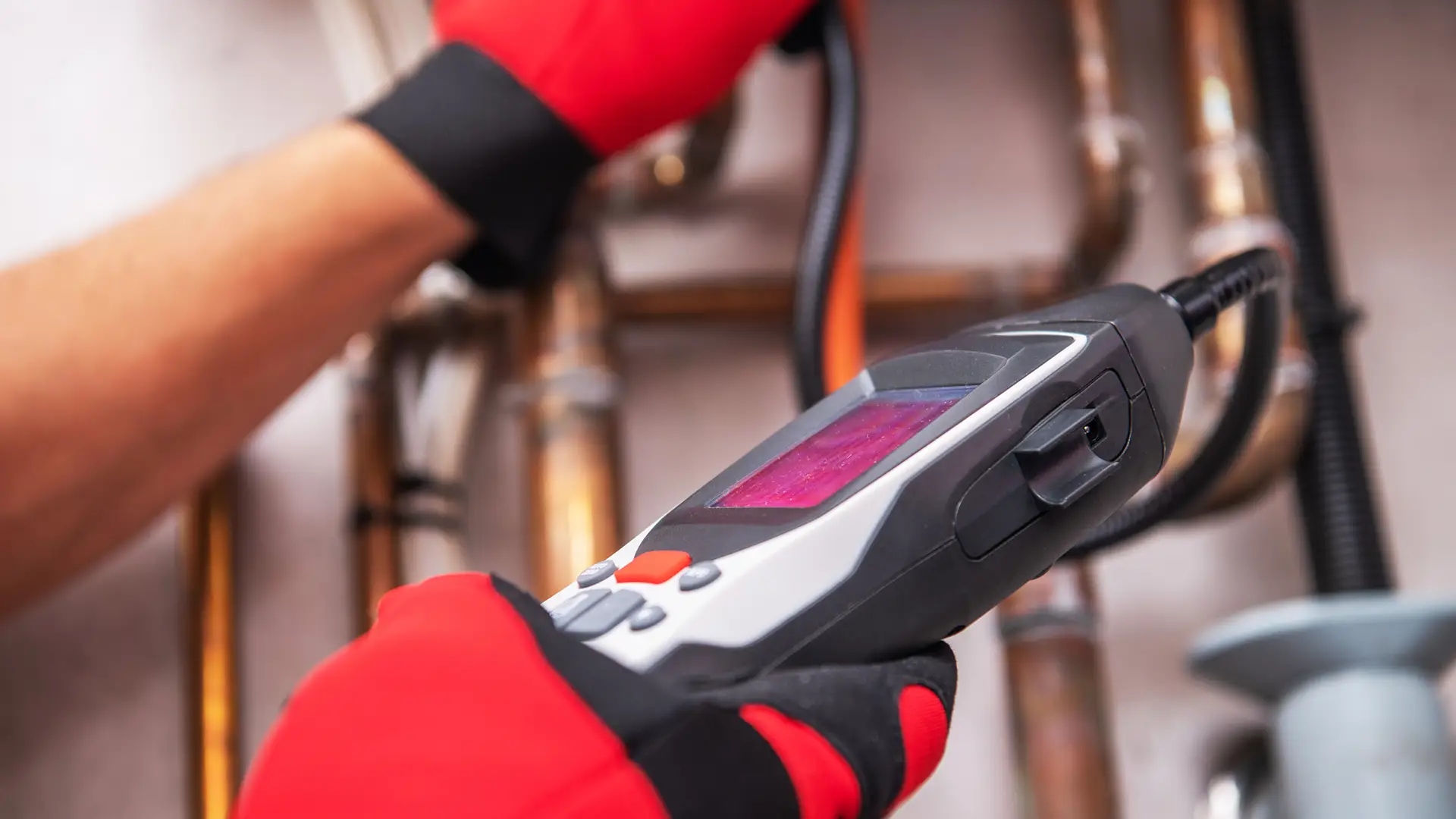
A gas tightness test checks whether a commercial gas system holds pressure without loss. If the system leaks, even slowly, the test detects it before the installation is signed off.
The process runs in stages:
The gas supply is isolated and a pressure gauge attached to the system.
The pipework is pressurised and monitored over a set period, typically around 20 mbar for natural gas systems.
Any pressure drop beyond the limit set by the applicable standard indicates a fault that must be repaired before certification.
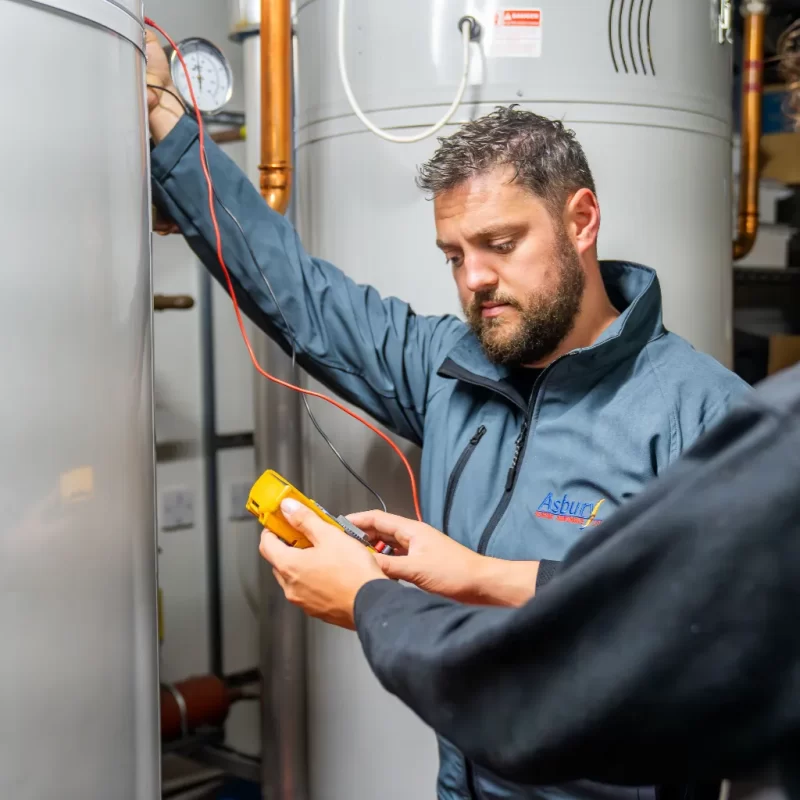
Asbury holds CMDDA1 and CMDDA1S certification, covering gas pressure testing and purging on commercial systems. The test takes around 30 to 90 minutes on a typical site, depending on size and complexity. Full documentation is provided on completion, including the information required for insurance compliance.
What Your Testing Record Should Show
Knowing when testing is required is one part of the obligation. Keeping a clear record of when it was done is the other.
The engineer’s name and Gas Safe registration number.
Any remedial action taken and when it was completed.
For multi-site portfolios, this record needs to be accessible across all properties, not filed away on one site and unavailable to another. If an insurer or inspector asks to see your gas safety records, the tightness test log is part of what they will review.
What This Means for Your Next Test
Most duty holders assume gas tightness testing happens quietly in the background, folded into an annual service. It is a specific, trigger-based obligation instead. Once you know the triggers and keep a clear record against them, testing becomes a routine part of managing the system rather than a risk sitting unaddressed on your books.
Asbury Heating has carried out commercial gas tightness testing and purging across Dorset, Hampshire, Wiltshire, and the South of England since 1962. Their engineers hold CMDDA1 and CMDDA1S certification and are Gas Safe registered for commercial work. Full compliance documentation is provided on every visit, so your gas safety record stands up to scrutiny whenever it is asked for.
To arrange a commercial gas tightness test with our Gas Safe registered engineers, call 01202 745189 or send an enquiry via the contact page.
A gas tightness test ensures your commercial gas system is safe, leak-free, and complies with UK regulations. See how it protects your property and people.