What Are Your Legal Obligations for Commercial Heating in the UK?
Commercial heating is a legal matter, not just an operational one, and employers and landlords have duties under multiple pieces of legislation. The consequences of falling short range from enforcement notices to criminal prosecution. Most businesses cannot say precisely which regulations apply to them or where their current arrangements leave them exposed.
The legal requirements for commercial heating that UK businesses must meet cover three areas:
Missing any one of them leaves a business exposed, regardless of how well the others are managed.
This article clearly maps each obligation, so you can assess where your current arrangements stand.
What Workplace Temperature Law Requires of You
The Workplace (Health, Safety and Welfare) Regulations 1992 require employers to provide a reasonable indoor temperature during working hours. Under the Management of Health and Safety at Work Regulations, that obligation works in two steps:
Assess the Risk
Then Put Controls in Place
The temperature thresholds most operators quote are based on the Approved Code of Practice for those regulations. The minimum is 16°C for most indoor workplaces, or 13°C for work involving significant physical effort. Those figures are a floor, not a compliance destination. Employers must decide what constitutes a reasonable temperature for their specific environment, so a thermometer reading alone does not discharge the obligation.
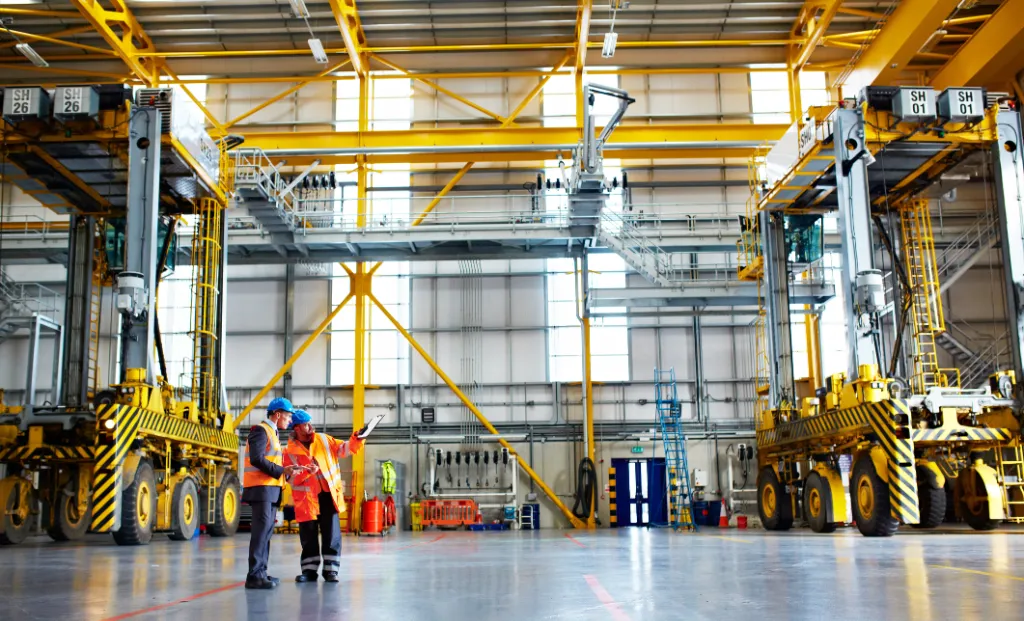
For businesses operating from larger premises, that distinction carries direct operational weight. Heating failures on manufacturing sites do not just create compliance exposure; they affect whether the working day can legally continue. There is no fixed legal temperature at which employees can refuse to work. The Health and Safety Executive (HSE) requires the employer to assess and manage the risk, and a documented heating failure with no corresponding response plan creates a record of non-compliance that is difficult to unpick after the fact [1].
Gas Safety Obligations Every Commercial Operator Must Know
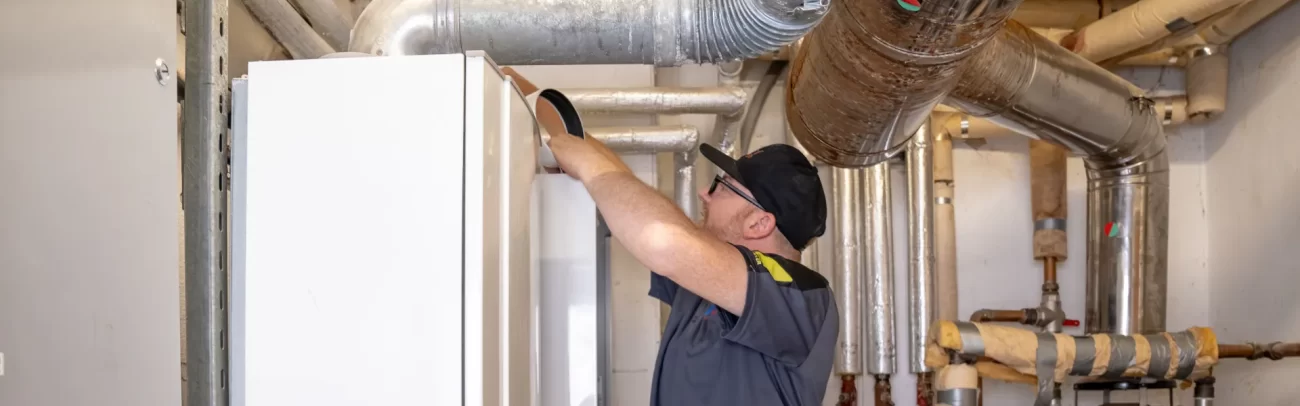
Under the Gas Safety (Installation and Use) Regulations 1998, all work on gas fittings in commercial premises must be carried out by a Gas Safe registered engineer. Using an unregistered person to carry out that work is illegal, regardless of the nature of the job.
The HSE documents a case in which an employer was fined £10,000 and ordered to pay £5,000 in costs after a poorly maintained boiler produced carbon monoxide in a primary school classroom. Twenty-five pupils and two members of staff were evacuated. The investigation found the employer had a maintenance system in place, but poor practices had crept in undetected. A maintenance system that exists on paper but is not actively managed carries the same legal and operational risk as no system at all [2].
The practical requirements for commercial operators are:
Our work following a gas leak at a West Parley pub shows what a rapid, compliant response looks like in practice. A Gas Safe engineer was on site the same day, with documentation completed before the premises reopened.
What Records You Are Required to Keep
For commercial premises, there is a legal duty to keep gas appliances in a safe condition. Records of servicing, safety checks, and remedial work must be retained and available for inspection. For care homes, schools, and other regulated environments, these records form part of a wider compliance framework. The absence of documentation during an inspection is treated as a compliance gap, regardless of the work actually carried out.
What a Reliable Commercial Heating Contract Actually Covers
Many businesses rely on reactive callouts when something goes wrong rather than operating under a formal maintenance contract. The problem with that approach is not simply cost, though commercial maintenance contracts can reduce operational costs by up to 30% compared to reactive repairs. The deeper problem is that reactive-only arrangements leave gaps in compliance documentation that a scheduled contract would close.
24/7 emergency cover so a failure outside business hours does not become a governance gap.
Sector-specific awareness, particularly for hotels, where mid-season boiler failure carries both guest and revenue consequences.
For context on what that looks like in practice, an emergency hot water isolation at a hotel in Poole was completed without guest disruption. That’s what you get when an engineer is already familiar with the site under contract.
However, the question a contract needs to answer is not only who to call when something breaks, but also how to demonstrate that legal obligations were met before it broke. If you are unsure whether your current arrangements cover all three areas, a free commercial gas safety audit is a straightforward way to find out.
Meeting Your Commercial Heating Obligations
Many businesses cannot say with confidence whether their heating arrangements are fully compliant, not because they have ignored the regulations, but because obligations have been met piecemeal over time. A service here, a reactive repair there, with no framework tying it together. That position looks adequate until something goes wrong, at which point the absence of documented maintenance becomes difficult to defend.
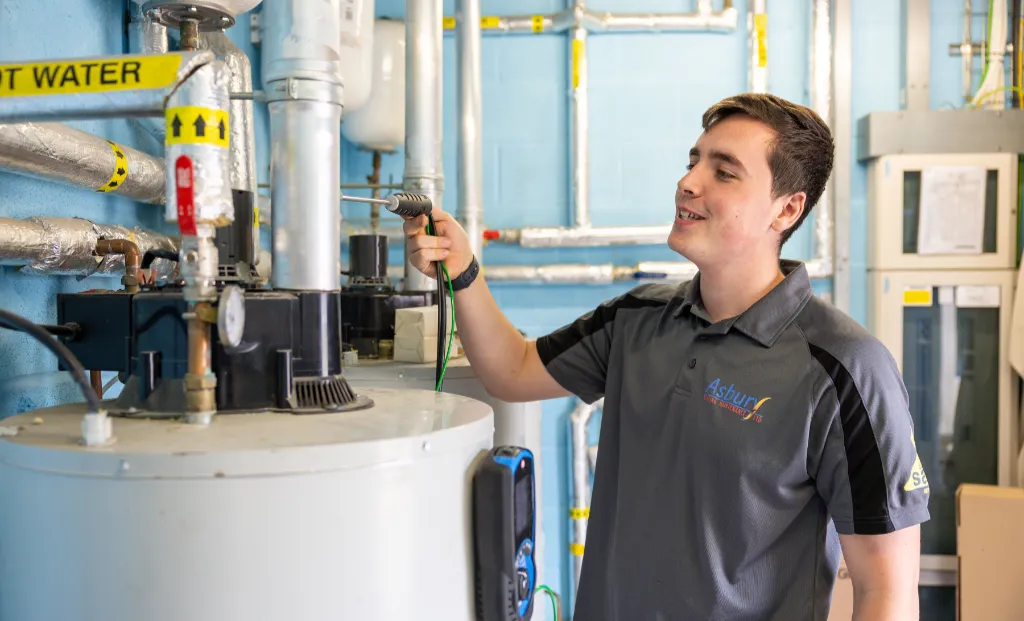
Asbury Heating has been providing contract heating services since 1962. Gas Safe registered commercially, SafeContractor accredited, and OFTEC registered, Asbury’s engineers work across care homes, schools, hotels, and manufacturing sites throughout the south of England. Scheduled maintenance contracts, 24/7 emergency response, and full compliance documentation are built into the service.
Annual checks, valid certificates, and the consequences of a lapse all sit with the commercial landlord, not the tenant, under UK gas safety regulations.
According to Gas Safe-registered engineers, commercial boiler installation times range from 2 days for a single replacement to 8 weeks for a plant room.
Boiler efficiency metrics show how much fuel becomes useful heat in a commercial building and how AFUE and thermal efficiency compare boiler performance.
Boilers with renewable energy integration combine a boiler with renewable heat sources to reduce fuel use and share heating demand in commercial buildings.
High capacity boilers improve heating in large buildings by delivering consistent output, strong flow rates and reliable performance across multiple zones.