How Facilities Managers Choose a Care Home Heating Partner
Heating systems support daily life in care homes. They are integral for maintaining safe indoor temperatures, reliable hot water, and comfortable living conditions for residents and staff.
When systems fail, disruption can:
Affect care routines.
Building safety.
Operational stability.
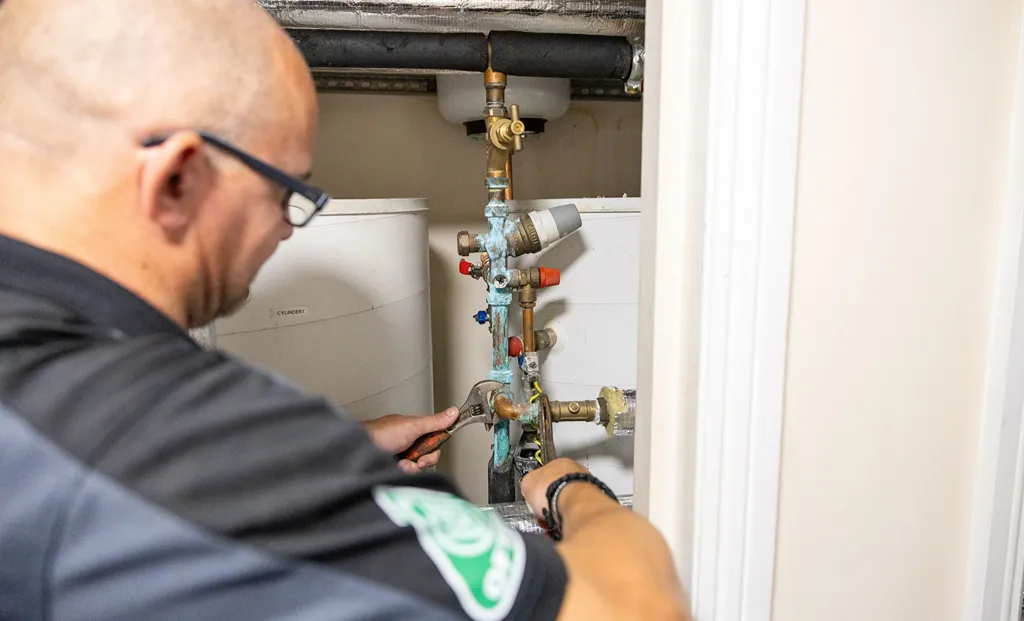
For facilities managers, selecting the right care home heating partner is therefore a practical operational decision. Providers must understand regulatory expectations, respond quickly when faults occur, and maintain service records that support inspection readiness.
Care environments also place specific demands on building services. Heating providers with experience in care home systems and operational requirements are better equipped to support consistent performance and safe living conditions.
This guide explains how facilities managers evaluate heating partners and the factors organisations consider when choosing support for care environments.
Why the Right Heating Partner Matters in Care Environments
Care providers operate within a regulated framework where building conditions contribute to overall service quality. Facilities managers, therefore, need heating partners who understand how building maintenance supports safe and effective care environments.
The Care Quality Commission’s (CQC) single assessment framework evaluates services against five key questions: whether care is safe, effective, caring, responsive, and well-led. Building systems and maintenance records help demonstrate that care settings are properly managed and suitable for residents [1].
Under this framework, services are rated Outstanding, Good, Requires improvement, or Inadequate. Reliable building systems and documented maintenance, therefore, play an important role in supporting both operational performance and regulatory accountability.
What Facilities Managers Look for in a Reliable Heating Partner
Facilities managers assess heating providers based on how well they support risk management, compliance, and operational continuity. In care environments, this means reliable maintenance, clear reporting, and rapid response when systems require attention.
Guidance for adult social care managers from the UK Health Security Agency recommends year-round preparation for cold weather conditions. Organisations are advised to distribute cold-weather plans to staff before 1 November each year and to prepare contingency plans for events such as heating failures or energy supply disruptions [2].
Facilities managers, therefore, look for heating partners who can demonstrate reliable emergency support and preventive maintenance capabilities.
Key evaluation indicators often include:
Providers should support cold weather planning and continuity preparation so buildings stay at safe indoor temperatures.
Records and reports should be clear and consistent so estates teams can track servicing history and system condition.
Emergency support should be reliable, with engineers available to respond quickly when faults occur.
Facilities managers should also prioritise providers with proven commercial Emergency Call Outs capability.
Experienced heating providers in the care sector also understand how maintenance activity contributes to inspection readiness and operational oversight.
Managing Heating Across Multi-Site Care Home Estates
Many care providers operate several homes across different locations, which means heating systems must be maintained consistently across the entire estate. Facilities managers, therefore, require heating partners who can work within structured estate management processes.
The Institute of Workplace and Facilities Management (IWFM) explains that effective facilities management integrates people, place, and process within the built environment to support operational performance and safe environments [3].
In care organisations managing multiple properties, heating maintenance must align with wider estate priorities such as risk management, contractor coordination, and long-term asset planning.
Heating providers, therefore, need to support centralised HVAC Facilities Management so that servicing activity contributes to consistent operational standards across the estate.
Facilities managers evaluating heating partners typically look for providers who can deliver:
Coordinated servicing across multiple care homes.
Consistent engineering standards across sites.
Clear reporting that supports estate-level oversight.
These capabilities help estates teams maintain visibility of system performance across the portfolio.
Facilities managers responsible for care homes must consider how heating systems perform over the long term. Boilers, pumps, and distribution systems represent significant building assets that require structured maintenance to remain dependable.
Effective heating partners support estates teams by monitoring equipment condition, identifying potential faults early, and advising when systems may require refurbishment or replacement.
A structured maintenance approach, supported through Commercial Heating Maintenance Contracts, allows facilities managers to plan servicing activity and reduce the likelihood of unexpected system failures.
Facilities managers may also review real operational examples when assessing heating providers. Examining our Case Studies from comparable care environments helps estates teams understand how contractors maintain system performance and respond to operational challenges.
This type of practical evidence helps organisations evaluate how a heating partner performs in real working environments.
Choose Stability & Reliable Heating Support
Facilities managers responsible for care homes must balance compliance, operational continuity, and resident wellbeing when selecting heating providers. Reliable heating supports safe indoor conditions and consistent daily operations across residential care environments.
Asbury Heating supports care providers with compliant, preventative heating maintenance, clear reporting, and dependable response when systems require attention. This helps estates teams maintain stable temperatures and manage maintenance across their properties with confidence.
Call 01202 745189 or arrange a consultation to review your care home heating requirements and discuss a comprehensive, preventative maintenance plan.
Seasonal heating care home checks confirm boilers, pipework and controls are safe before winter. These help care homes maintain safe indoor conditions.
Hot water compliance in care homes is a regulatory requirement. A care home cannot operate safely or compliantly without a working hot water supply today.
Reducing heating breakdowns in care homes needs planned servicing, documented inspections, and lifecycle planning to cut failures and support compliance.
Good energy efficiency in care homes comes from reliable system design, planned maintenance, and effective control. Reduce waste and keep comfort steady.