Why Reducing Heating Breakdowns in Care Homes Is Risk-Driven
Reducing heating breakdowns in care homes is a risk management responsibility. Heating reliability supports resident wellbeing, regulatory compliance, and operational continuity. When systems fail, the issue reflects gaps in asset planning and oversight of servicing.
Operators often see the same pattern of emergency callouts following periods of inconsistent maintenance. Across multi-site portfolios, uneven servicing standards increase exposure to disruption and inspection pressure.
However, a structured maintenance framework provides clarity. Planned servicing, recorded inspections, and lifecycle planning reduce avoidable failures and strengthen estate control.
This article explains how consistent oversight of heating protects residents and improves long-term operational resilience.
Heating Stability Is a Safeguarding Responsibility
Stable indoor temperatures are central to resident safety in care settings, particularly for people with respiratory or cardiovascular conditions. National Health Service (NHS) England reports that heart attacks increase immediately after a cold snap and account for two in five excess winter deaths, with stroke risk rising within five days. Respiratory admissions typically peak around 12 days after temperatures fall [1].
This evidence highlights why heating reliability must remain consistent throughout the year. NHS guidance recommends maintaining indoor temperatures of at least 18°C for older people. A structured Boiler Maintenance plan reduces the likelihood of sudden heat loss and supports continuity of care during colder periods.
Recent policy discussions around winter funding have reinforced the vulnerability of older residents during colder months. As explored in, What Do the Winter Fuel Repayments Mean for Care Home Residents?, financial and environmental pressures both influence heating resilience in care settings.
Compliance Is Not Delegated Responsibility
Under Regulation 15, the Care Quality Commission (CQC) requires providers to ensure premises and equipment are clean, suitable, and properly maintained. Legal responsibility remains with the provider, even when maintenance is contracted externally [2].
For care homes, heating plants and controls clearly fall within this duty. Recorded servicing intervals, remedial action logs, and risk assessments demonstrate systematic compliance and active estate oversight. Carbon Monoxide Prevention is also integral to heating safety. Structured testing and detection, as explored in our blog, Annual Testing and Carbon Monoxide Detectors for Care Homes, reinforces safe operating standards and regulatory assurance.
Where upgrades are required, coordinated commercial heating services ensure installations and servicing align with current compliance expectations.
The Limits of Reactive Maintenance
Reactive maintenance reduces visibility of system condition and delays corrective action until faults occur. In regulated care environments, this weakens control over both operational and compliance risk.
Health and Safety Executive (HSE) guidance requires gas appliances and associated systems to be inspected and maintained in line with manufacturer instructions, or at least annually where guidance is unavailable [3]. This establishes a clear expectation of systematic maintenance planning, not an informal response.
Our case study, Emergency Heating and Hot Water Restoration, at a Care Home in Romsey, shows how unexpected system faults can highlight areas where condition monitoring supports long-term reliability. While rapid response restored service, the situation reinforces the value of proactive maintenance planning.
In multi-site portfolios, reactive models commonly result in:
Increased unplanned capital expenditure.
Limited forecasting of component replacement cycles.
Greater scrutiny from insurers following incidents.
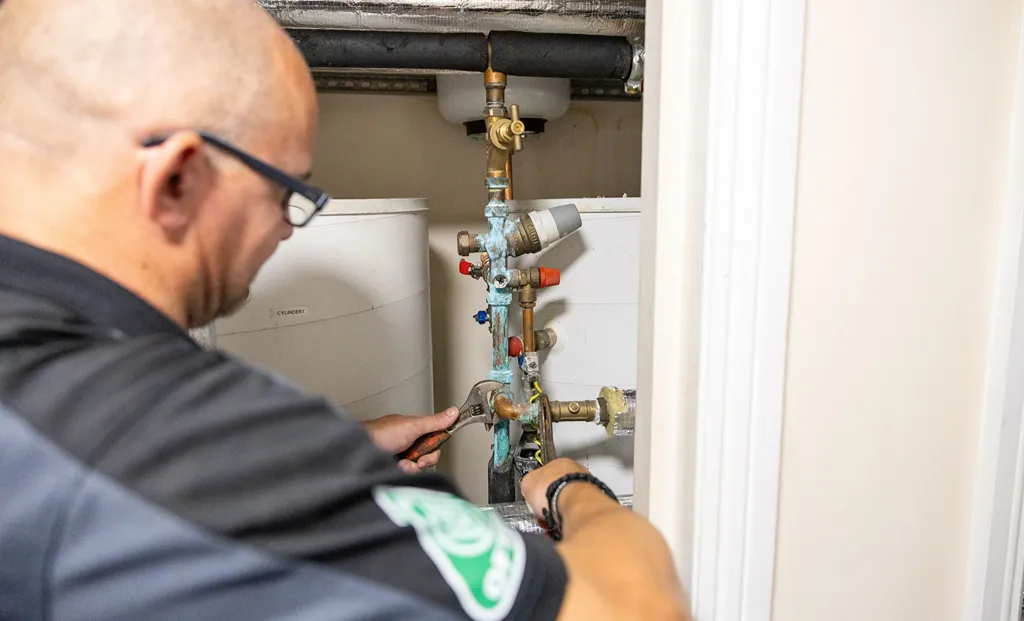
Commercial Boiler Servicing strengthens defensible maintenance records and supports safer, documented asset management.
How a Risk-Driven Maintenance Strategy Works in Practice
A risk-driven approach focuses on asset visibility and prioritised action. Heating systems are assessed by age, usage, condition, and resident impact. This enables targeted investment rather than reactive expenditure.
Planned preventative maintenance typically includes:
Scheduled inspections aligned with manufacturer guidance.
Condition grading to identify components nearing end of life.
Structured capital planning for phased replacement.
Commercial Maintenance Contracts formalise this structure and create accountability. Defined service intervals, reporting protocols, and response times provide clarity for estates and compliance leads.
Regulatory compliance should also be reviewed proactively. Our article, Is Your Care Home Meeting UK Boiler Installation Regulations? outlines the statutory requirements that care providers must meet, and reinforces the need for documentation and technical oversight to remain consistent across the estate. Technical testing also supports system integrity. Gas Tightness Testing & Purging confirm pipework safety and reduce the risk of avoidable incidents.
Multi-Site Care Homes Require Centralised Risk Control
Multi-site care providers face additional complexity. Buildings vary in age, boiler type, usage patterns, and historical maintenance. Without central oversight, risk exposure can differ significantly between locations.
A consistent, risk-led framework improves visibility. Standardised servicing schedules, central reporting, and documented asset registers allow estates teams to assess performance across the portfolio. This supports more predictable budgeting and reduces reliance on emergency expenditure.
Technology can strengthen this oversight. Building Management Systems with Remote Monitoring enable operators to track temperature performance and identify system faults earlier. Performance data supports informed decision making and timely intervention
Structured reporting across sites enables boards and governance teams to assess estate-wide risk exposure, capital planning needs, and recurring system vulnerabilities. This approach provides clearer control and supports consistent standards across all homes.
Take Control of Heating Risk in Your Care Homes
Heating reliability becomes measurable when maintenance is planned, documented, and aligned with risk priorities. Clear reporting, defined service intervals, and condition tracking provide estates teams with practical control over asset performance.
This structured approach:
Improves budget forecasting.
Reduces emergency expenditure.
Strengthens compliance across multiple sites.
Asbury Heating delivers proactive, compliance-led heating and boiler services for regulated care environments. With transparent reporting and defined maintenance frameworks, care providers can manage estate risk with greater assurance.
Care home heating partner choice comes down to compliance knowledge, emergency response, records, and planned maintenance that keeps care homes running.
Hot water compliance in care homes is a regulatory requirement. A care home cannot operate safely or compliantly without a working hot water supply today.
Good energy efficiency in care homes comes from reliable system design, planned maintenance, and effective control. Reduce waste and keep comfort steady.