Legionella & Water Safety in Care Environments
Protect Care Home Residents with Effective Water Safety Management
Get in touch
Get in touch with us today, and we’ll help to find the right solution for you. We aim to respond to all contact submissions within 48 hours.


Water Safety Support for Care Homes
Care home water systems need to do more than meet compliance requirements. They need to protect vulnerable residents, support safe day-to-day care, and give operators confidence that risks are being managed properly. A clear approach to Legionella management in care homes helps providers keep water systems safe, maintain accurate records, and stay on top of monitoring and maintenance without unnecessary complexity.
Whether you manage one home or several, Asbury Heating helps care operators take a practical, structured approach to water safety and ongoing compliance across Dorset, Hampshire, Wiltshire, Devon, Somerset, and West Sussex.
Understanding Legionella Risks in Care Homes
Legionella bacteria can develop in water systems if conditions allow them to grow and spread. In care homes, that risk matters more because many residents are older, have underlying health conditions, or may be more vulnerable to infection.
A strong water safety care home strategy considers the entire system, not just a single tank, outlet, or plant room. Risk can build when water sits for too long, when temperatures fall outside safe ranges, or when parts of the system are not used as expected. Showers, storage tanks, long pipe runs, and infrequently used outlets can all increase risk if they are not properly managed.
That is why water safety is not simply a box-ticking exercise. It is part of protecting resident wellbeing, maintaining confidence in your building services, and showing that the home is being managed responsibly.

Compliance Responsibilities for Care Home Operators
Care homes have a duty to assess and manage water hygiene risks. A suitable care home risk assessment should reflect how the building is currently used, how the water system is laid out, and what control measures are in place to keep risk low.
For most providers, responsibility sits with a nominated responsible person, supported by facilities teams, operations leaders, or external specialists where needed. What matters is that the system is actively managed and that records show which checks, maintenance, and reviews are being performed.
Reviews are especially important when:
- Plumbing systems are altered.
- Areas are refurbished or repurposed.
- Water usage drops, and stagnation becomes more likely.
- Temperature checks show inconsistent control.
- Existing flushing or maintenance routines are no longer effective.
In practice, compliance in care homes depends on having the right processes in place and ensuring they are followed consistently.

Five Star Reviews
We’re rated five star by our customers on Google. Check out the testimonials from some of our incredible customers by clicking the button below.
Risk Management in Practice
Effective water safety depends on more than a written assessment. Care homes need clear day-to-day procedures that help teams identify risks early, maintain consistent control measures, and demonstrate that systems are being managed properly. In practice, that means combining regular checks, accurate documentation, and planned maintenance to support safer water systems and stronger compliance over time.

A risk assessment is the starting point, but day-to-day control comes from regular monitoring. Care homes need practical routines to verify that the system is operating as intended. This may include temperature monitoring, inspection of tanks and valves, review of outlet usage, and checks in areas with lower water turnover.
When testing and monitoring are built into a planned schedule, problems are easier to spot before they become larger compliance or safety concerns.
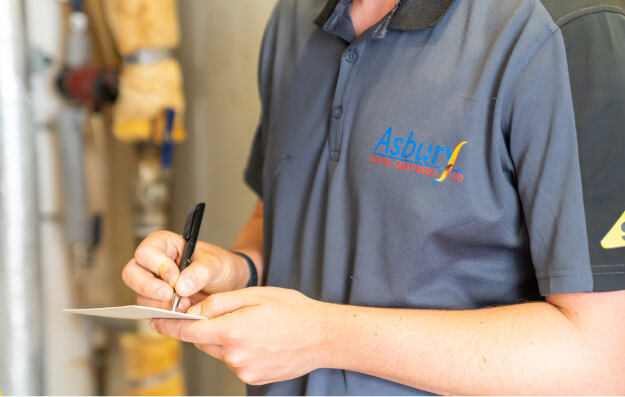
Good records support good decisions. They help operators demonstrate that checks are being completed, that issues are being reviewed, and that any remedial action is being tracked properly.
For care groups and managers, clear documentation also makes it easier to maintain oversight, prepare for inspections, and show that water safety responsibilities are being taken seriously across the business.
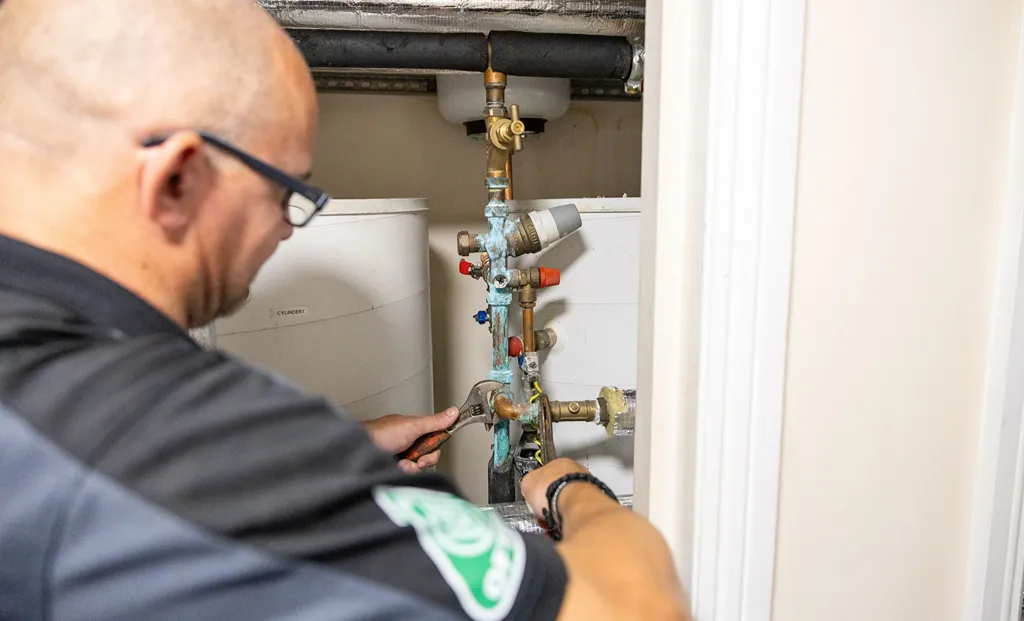
Planned maintenance plays an important role in reducing avoidable faults and maintaining the effectiveness of control measures. A system that is serviced, reviewed, and maintained on schedule is less likely to drift into poor performance.
That is especially important in care homes, and water safety should not be treated separately from broader maintenance planning. It works best when it forms part of a structured compliance programme. Read our guide on Why Reducing Heating Breakdowns in Care Homes Is Risk-Driven to see how proactive maintenance supports safety, reliability, and continuity of service.
Supporting Multi-Site Compliance Across Care Homes
For operators managing more than one home, consistency can be one of the biggest challenges. Different buildings, different usage patterns, and different local teams can all create variation if no standard approach is in place.
A structured compliance framework helps bring that under control. Standardised checks, central reporting, and consistent review processes make it easier to compare sites, identify gaps, and support local teams with clear expectations.
For groups operating across Dorset, Hampshire, Wiltshire, Devon, Somerset, and West Sussex, that level of oversight can make managing multi-site water safety far easier.

How CareGuard™ Supports Ongoing Water Safety Compliance
CareGuard™ helps care home operators take a more organised approach to water safety, planned maintenance, and compliance oversight. Through audits, structured servicing, and clear documentation, it supports homes that need practical control rather than reactive fixes.
Whether you manage a single home or a wider group, CareGuard™ can help you:
- Keep water safety procedures consistent.
- Maintain clear records and audit trails.
- Support routine monitoring and maintenance.
- Strengthen visibility across a single site or multiple sites.
For an example of ongoing support in practice, see our Colten Care case study, which shows how a structured service approach can help care providers maintain reliable building systems across their estate.
Speak to Asbury About Care Home Water Safety
If your current approach to water safety relies too heavily on reactive action, inconsistent monitoring, or fragmented record-keeping, a more structured strategy can help you maintain safer systems, stronger compliance, and better oversight across your care home estate.
Asbury Heating supports care home operators with practical water safety guidance, planned maintenance, and ongoing compliance support. We understand the pressures providers face, from protecting vulnerable residents to maintaining clear records and keeping essential building services reliable across one site or many.
Call 01202 745189 or use our online form to strengthen water safety management across your care homes.