Boiler efficiency metrics show how much of the fuel a system uses becomes useful heat in a commercial building. For organisations running heating systems for long periods, these values help estimate running costs, assess the condition of existing plant, and plan future upgrades.
When boiler efficiency metrics are not reviewed:
Energy use can rise
Emissions can increase
Early signs of deterioration may be missed
Annual Fuel Utilisation Efficiency (AFUE) and thermal efficiency are the two main measures. AFUE gives a seasonal view of performance. Thermal efficiency focuses on heat transfer when the boiler runs at a steady load. Together, they provide a clear view of how well a boiler turns fuel into heat during regular operation. For facilities teams and building managers, these metrics support forecasting, compliance planning and investment decisions. To help you stay on top of this, our engineering team provide Boiler Maintenance Contracts.
This guide explains AFUE and outlines how we measure boiler thermal efficiency ratings. It also delves into their effect on long-term heating performance in commercial buildings.
Why Boiler Efficiency Matters in Large Commercial Sites
In commercial buildings, boiler efficiency metrics help translate technical ratings into day-to-day impact on budgets, comfort and compliance. For sites with extended operating hours or multiple zones, even a slight increase in commercial boiler efficiency can yield noticeable savings over the life of the plant.
In England, Part L of the Building Regulations sets minimum energy performance requirements for new and existing buildings, including guidance on heating systems and fuel choices [1]. These standards align with the UK government’s Heat and Buildings Strategy. This strategy seeks to lower carbon emissions from homes and workplaces over time [2].
When organisations review existing plant, they often compare current AFUE and thermal efficiency ratings with those of modern condensing models. Benchmarking against newer equipment helps identify where efficiency has drifted and where replacement or system changes could bring more stable performance and easier compliance with future standards.
For projects that require replacement, our engineers provide support for Commercial Boiler Installations. They focus on sizing the system, selecting the plant, and ensuring everything meets regulations.
AFUE & Thermal Efficiency Explained
Annual Fuel Utilisation Efficiency (AFUE) measures the percentage of fuel energy converted into heat across a full heating season. It takes into account start-up cycles, standby periods and changes in demand.
An AFUE of 90% means that 90% of the fuel becomes heat over the year, with the remaining 10% lost through:
Start-up losses
Exhaust gases
Or other inefficiencies
Thermal efficiency measures how effectively the boiler transfers heat from combustion to the water under steady load conditions. It is a controlled measurement that focuses on performance at the point of heat transfer. Commercial boilers also show combustion efficiency with thermal efficiency. This helps specifiers better understand how the boiler performs under continuous output.
For facilities managers, AFUE and thermal efficiency boiler ratings work together:
AFUE helps estimate annual fuel use and compare existing boilers with replacement options.
Thermal efficiency shows how well the boiler delivers heat under stable operating conditions.
When combined with efficiency bands and local energy data, these metrics show organisations how heating performance impacts their overall energy use. The Office for National Statistics shows that energy costs accounted for a significant share of business expenses from 2021 to 2024 [3]. Some sectors experienced sharp increases, which emphasises the importance of even minor efficiency improvements.
How to Measure Efficiency in Commercial Heating Systems
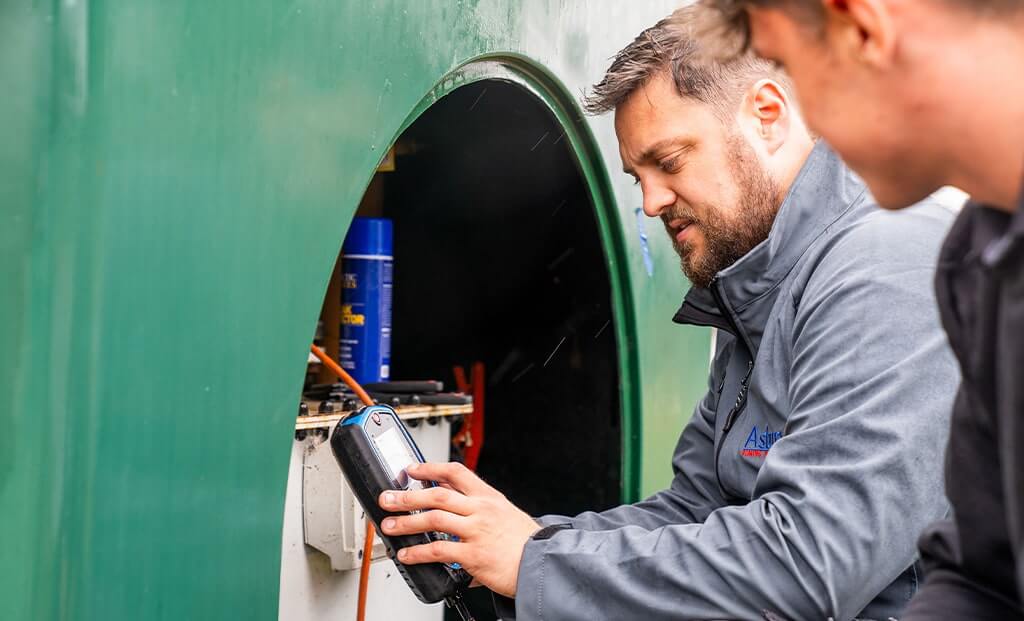
Measuring commercial boiler efficiency in practice means looking beyond nameplate ratings. Engineers use seasonal data, test results, and system readings to check how the plant performs in real conditions. Knowing how to calculate heating efficiency from this data makes it easier to compare boilers. You can also spot issues early and plan upgrades across an estate.
In simple terms, heating efficiency compares the useful heat delivered to the fuel consumed over a set period. If metering shows that a boiler uses 100,000 kWh of gas in a season and delivers 90,000 kWh of heat into the system, the heating efficiency is 90%. Engineers on many sites estimate heat delivered by using flow and return temperatures, flow rates, and run hours. These are recorded by the building management system.
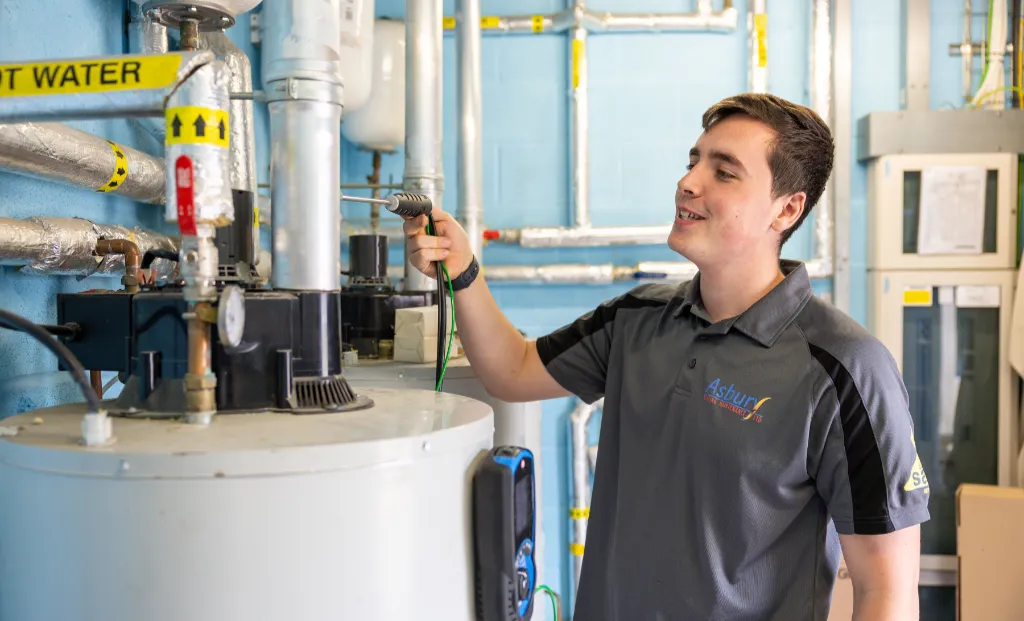
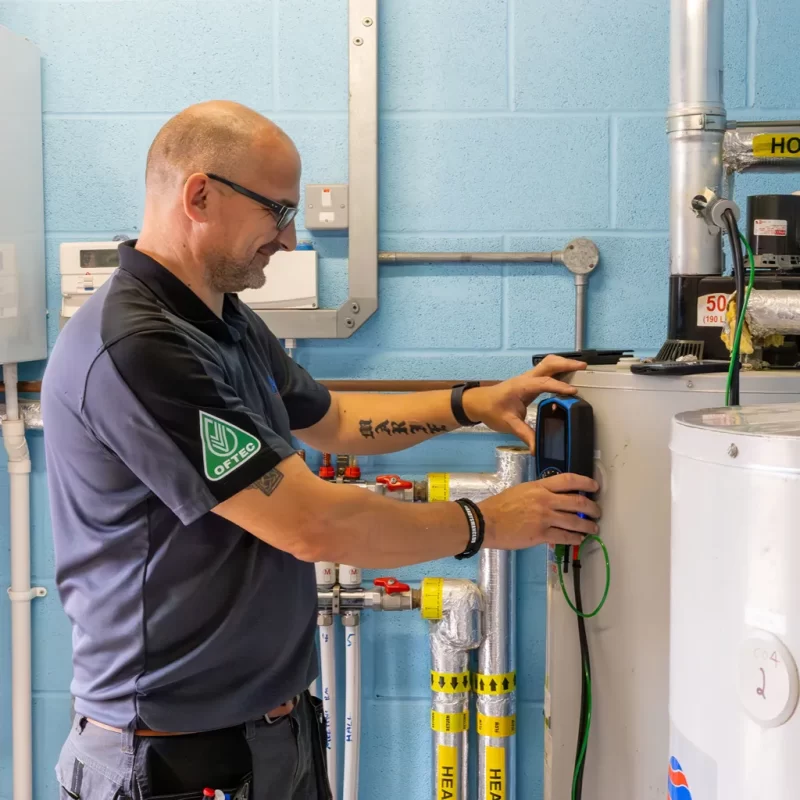
Readings from servicing help spot unnecessary energy loss. They also check if the boiler runs within expected limits. For organisations running large or complex systems, these checks support compliance with safety duties and energy management requirements.
Our Commercial Servicing Support includes combustion testing, inspection and performance checks across each heating season.
The On-Site Factors That Impact Real Boiler Performance
Conditions in live buildings are rarely ideal. Instead of relying only on test figures, facilities teams focus on practical steps for improving boiler energy efficiency over the life of the plant:
Lowering flow temperatures can improve condensing performance and reduce cycling.
Correctly balanced circuits and clean pipework improve heat transfer and minimise pump energy.
Reviewing how multiple boilers are sequenced keeps the plant in its most efficient operating range.
Matching time schedules and setback temperatures to real building use prevents wasted run hours.
When these checks are built into routine servicing and seasonal reviews, organisations gain a clearer picture of how the heating system is performing and which adjustments will deliver the most value with the least disruption.
Planned maintenance helps spot drops in combustion quality, pressure problems, or control faults. This way, issues can be fixed before they affect output or cause unplanned downtime.
How Efficiency Drives Cost Control, Compliance & Carbon Reduction
Higher efficiency reduces fuel use over extended operating periods, helping to reduce commercial heating costs and stabilise budgets. When sites track AFUE and other boiler efficiency metrics year on year, they can see where performance is slipping and target upgrades at the systems that will deliver the greatest return.
Efficiency also supports carbon reduction goals and compliance with local requirements. Government guidance on energy performance in non-domestic buildings highlights the role of efficient heating in reducing emissions and managing long-term costs. When heating systems show sustained drops in seasonal efficiency, replacement can offer more stable performance and measurable savings across the heating season.
Where refurbishments or system upgrades are planned, we provide Commercial support across plant design, sizing and compliant delivery.
Choose Asbury Heating for Long-Term System Efficiency
Boiler efficiency metrics, such as AFUE and thermal efficiency, provide a clear view of how commercial heating systems use fuel over time. When facilities teams monitor and understand these values, they can better plan maintenance. They can also manage energy budgets with greater confidence and spot when upgrades are likely to deliver the best return. This turns technical ratings into practical information for decisions on cost, carbon and compliance at single buildings or across wider estates.
Asbury Heating supports organisations across Dorset, Hampshire and Wiltshire with commercial boiler installation, servicing and long-term maintenance. Our team checks system requirements, recommends suitable plants, performs compliant installations, and provides ongoing support. This ensures that commercial heating systems operate safely and efficiently throughout their lifespans.
Call 01202 745189 or arrange a consultation to review your current boiler efficiency metrics and explore options for improving commercial heating performance.
Annual checks, valid certificates, and the consequences of a lapse all sit with the commercial landlord, not the tenant, under UK gas safety regulations.
Gas safety, workplace temperature duties and boiler servicing records all form part of commercial heating legal requirements that UK employers must meet.
According to Gas Safe-registered engineers, commercial boiler installation times range from 2 days for a single replacement to 8 weeks for a plant room.
Boilers with renewable energy integration combine a boiler with renewable heat sources to reduce fuel use and share heating demand in commercial buildings.
High capacity boilers improve heating in large buildings by delivering consistent output, strong flow rates and reliable performance across multiple zones.